
#0082 · 🦊 mammals
Wapiti
Cervus canadensis
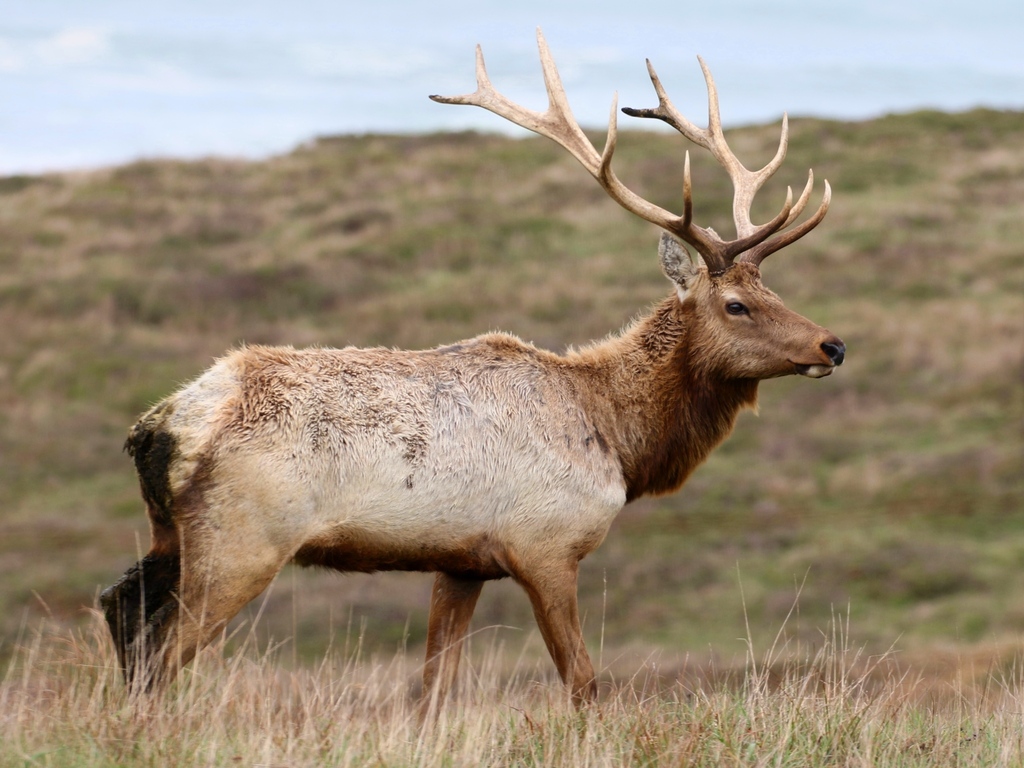

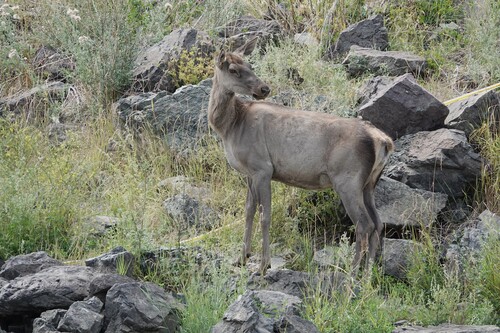
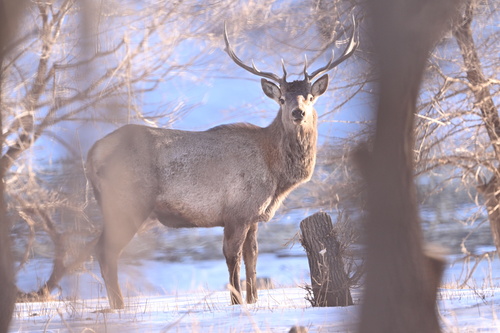
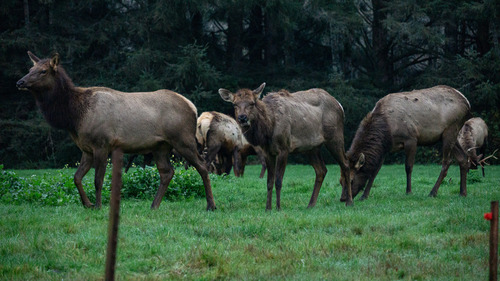
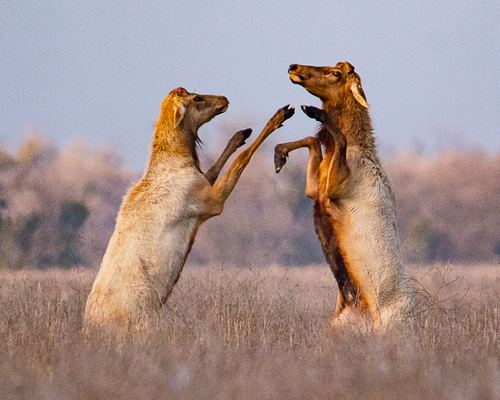

7 photos from iNaturalist (Creative Commons) · credits & licences
what is it?
The elk ( Cervus canadensis ), also known as the wapiti , is one of the largest species within the deer family, Cervidae, and one of the largest terrestrial mammals in North America, as well as Central and East Asia. It is often confused with the larger Alces alces , which is called moose in North America, but called elk in British English, and related names in other European languages (German Elch , Swedish älg , French élan ).
base stats
Bars compare against all animals on log scales: up to 300,000 Dutch and 600,000 worldwide sightings (the most-seen species), 150 t (blue whale), 30 m and 400 years (Greenland shark).
fun facts
- No confirmed wild sightings in the Netherlands on iNaturalist: you'd have to travel for this one.
- 64,313 observations worldwide on iNaturalist.
- Scientifically named by Johann Christian Polycarp Erxleben in 1777 (249 years ago).
fact sheet
- English
- Wapiti
- Nederlands
- Wapiti
- scientific name
- Cervus canadensis
- class
- Mammalia
- order
- Artiodactyla
- family
- Cervidae
- IUCN Red List
- LC · least concern
- sightings in NL
- 0
- sightings in Europe
- 23
- sightings worldwide
- 64,313
- GBIF records in NL
- 0
- weight
- —
- length
- —
- lifespan
- —
- named
- 1777 by Johann Christian Polycarp Erxleben
IUCN in Dutch: niet bedreigd. Blank means the sources don't say.
relatives· Cervidae
 #0002 📷 8
Western Roe Deer
🇳🇱 Ree
Capreolus capreolus
LC 👀 1.5k in NL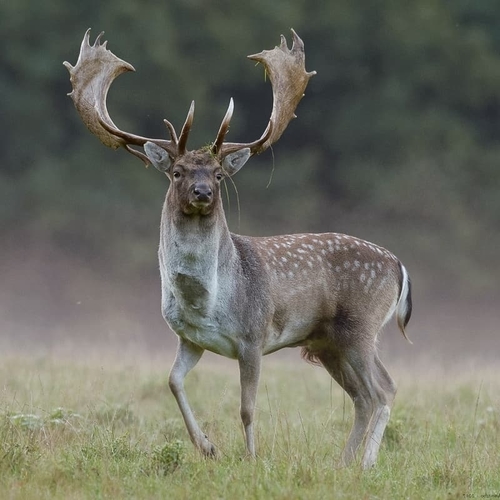 #0007 📷 10
European Fallow Deer
🇳🇱 Damhert
Dama dama
LC 👀 755 in NL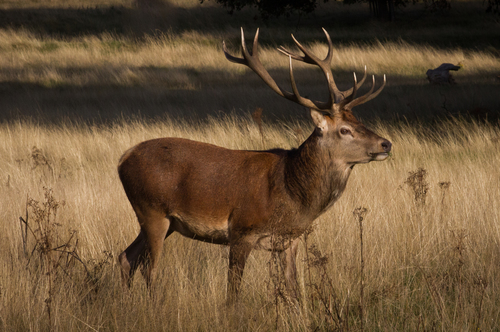 #0011 📷 10
Red Deer
🇳🇱 Edelhert
Cervus elaphus
LC 👀 345 in NL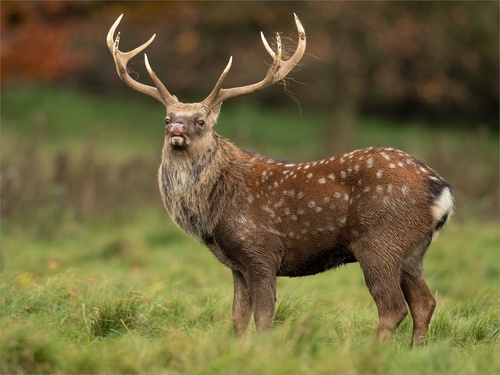 #0056 📷 7
Sika Deer
🇳🇱 Sikahert
Cervus nippon
LC 👀 4 in NL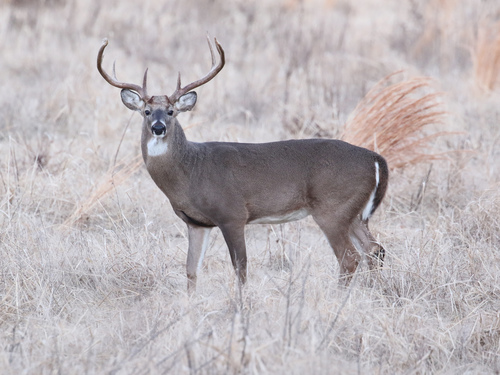 #0074 📷 9
White-tailed Deer
🇳🇱 Virginiahert
Odocoileus virginianus
LC 🌍 431.3k seen #0198 📷 7
Mule Deer
🇳🇱 Muildierhert
Odocoileus hemionus
LC 🌍 210.6k seen #0081 📷 10
Moose
🇳🇱 Eland
Alces alces
LC 🌍 73.2k seen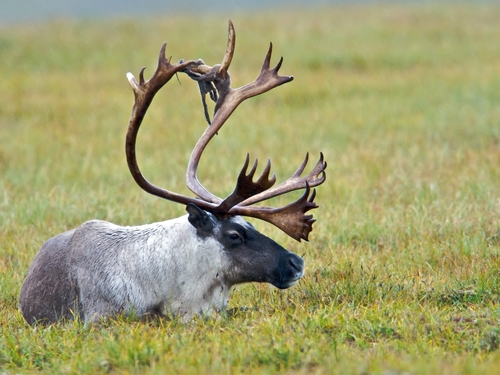 #0094 📷 8
Caribou
🇳🇱 Kariboe
Rangifer tarandus
VU 🌍 13.1k seen
Sources: iNaturalist taxon 204114, Wikidata Q180404, GBIF 8600904, Wikipedia (EN), Wikipedia (NL). Intro text from Wikipedia (CC BY-SA 4.0).Updated 2026-10-24.