
#0081 · 🦊 mammals
Moose
🇳🇱 Eland ·Alces alces


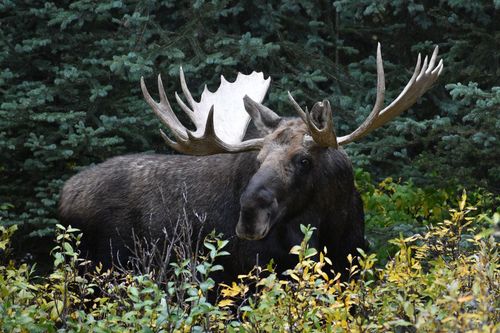

 📍 Rau De Mori, Hunedoara, RO
 📍 United States
 📍 Niederösterreich, AT
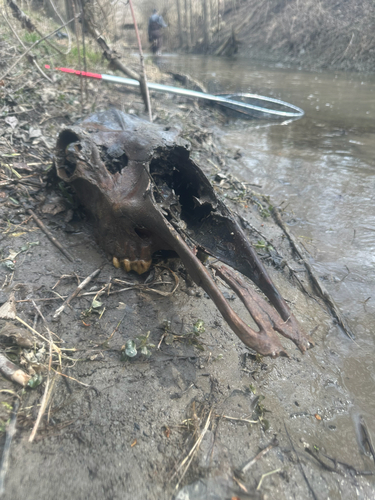 📍 Ontario, CA
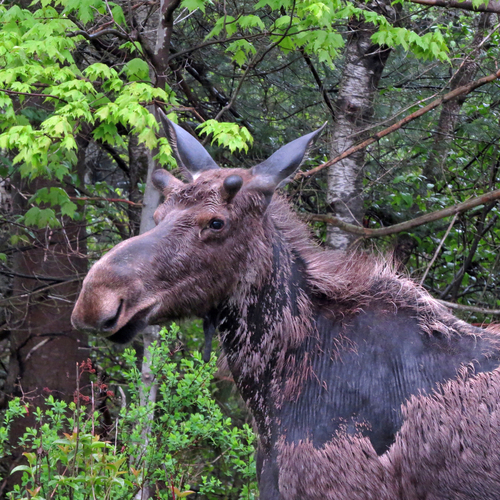 📍 Eden, VT, USA
 📍 Denali Park, AK, USA
10 photos from iNaturalist (Creative Commons) · credits & licences
- 1. © mikaelsoderberg · CC BY 4.0
- 2. © skyrk · CC BY-NC 4.0
- 3. © Sydney Gerig · CC BY-NC 4.0
- 4. © winesmokesphotos · CC BY-NC 4.0
- 5. Rau De Mori, Hunedoara, RO:© timii · CC BY-NC 4.0
- 6. United States:© Adriano Tsinigine · CC BY-NC 4.0
- 7. Niederösterreich, AT:© Willy · CC BY-NC 4.0
- 8. Ontario, CA:© Cameron Chevalier · CC BY-NC 4.0
- 9. Eden, VT, USA:© cgbb2004 · CC BY-NC 4.0
- 10. Denali Park, AK, USA:© Lee Cornish · CC BY-NC 4.0
what is it?
The moose (North America) or elk (Eurasia), Alces alces , is the largest extant species in the deer family. Moose are distinguished by the broad, flat (or palmate ) antlers of the males; other members of the family have antlers with a dendritic ("twig-like") configuration. Moose typically inhabit boreal forests and temperate broadleaf and mixed forests of the Northern Hemisphere in temperate to subarctic climates. Hunting and other human activities have caused a reduction in the size of...
base stats
Bars compare against all animals on log scales: up to 300,000 Dutch and 600,000 worldwide sightings (the most-seen species), 150 t (blue whale), 30 m and 400 years (Greenland shark).
fun facts
- No confirmed wild sightings in the Netherlands on iNaturalist: you'd have to travel for this one.
- 73,223 observations worldwide on iNaturalist.
- Scientifically named in 1758 (268 years ago).
fact sheet
- English
- Moose
- Nederlands
- Eland
- scientific name
- Alces alces
- class
- Mammalia
- order
- Artiodactyla
- family
- Cervidae
- IUCN Red List
- LC · least concern
- sightings in NL
- 0
- sightings in Europe
- 10,895
- sightings worldwide
- 73,223
- GBIF records in NL
- 166
- weight
- —
- length
- —
- lifespan
- —
- named
- 1758
IUCN in Dutch: niet bedreigd. Blank means the sources don't say.
relatives· Cervidae
 #0002 📷 8
Western Roe Deer
🇳🇱 Ree
Capreolus capreolus
LC 👀 1.5k in NL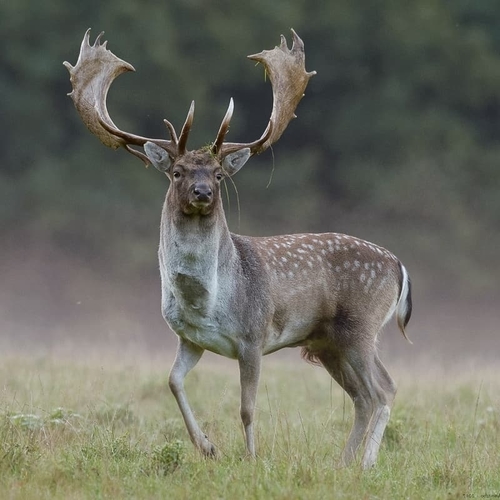 #0007 📷 10
European Fallow Deer
🇳🇱 Damhert
Dama dama
LC 👀 755 in NL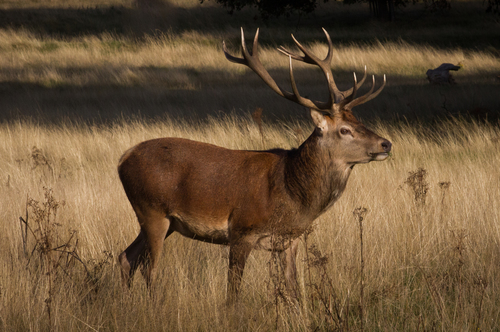 #0011 📷 10
Red Deer
🇳🇱 Edelhert
Cervus elaphus
LC 👀 345 in NL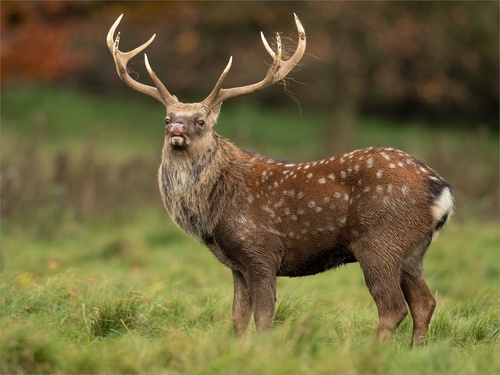 #0056 📷 7
Sika Deer
🇳🇱 Sikahert
Cervus nippon
LC 👀 4 in NL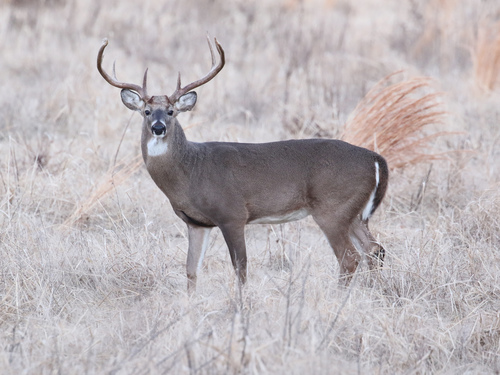 #0074 📷 9
White-tailed Deer
🇳🇱 Virginiahert
Odocoileus virginianus
LC 🌍 431.3k seen #0198 📷 7
Mule Deer
🇳🇱 Muildierhert
Odocoileus hemionus
LC 🌍 210.6k seen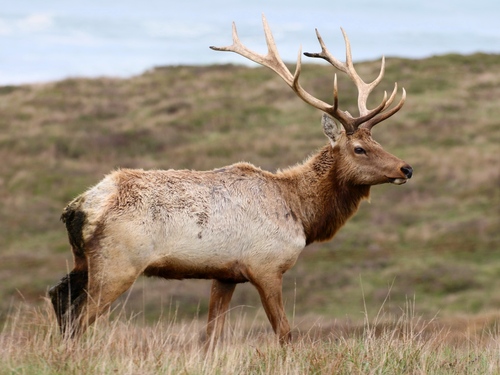 #0082 📷 7
Wapiti
Cervus canadensis
LC 🌍 64.3k seen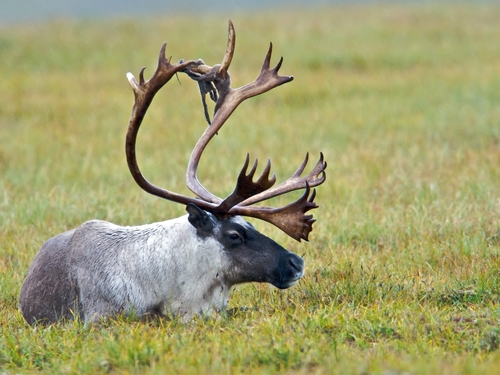 #0094 📷 8
Caribou
🇳🇱 Kariboe
Rangifer tarandus
VU 🌍 13.1k seen
Sources: iNaturalist taxon 522193, Wikidata Q35517, GBIF 2440940, Wikipedia (EN), Wikipedia (NL). Intro text from Wikipedia (CC BY-SA 4.0).Updated 2026-10-24.