
#1295 · 🐦 birds
Australian Magpie
🇳🇱 Zwartrugfluitvogel ·Gymnorhina tibicen
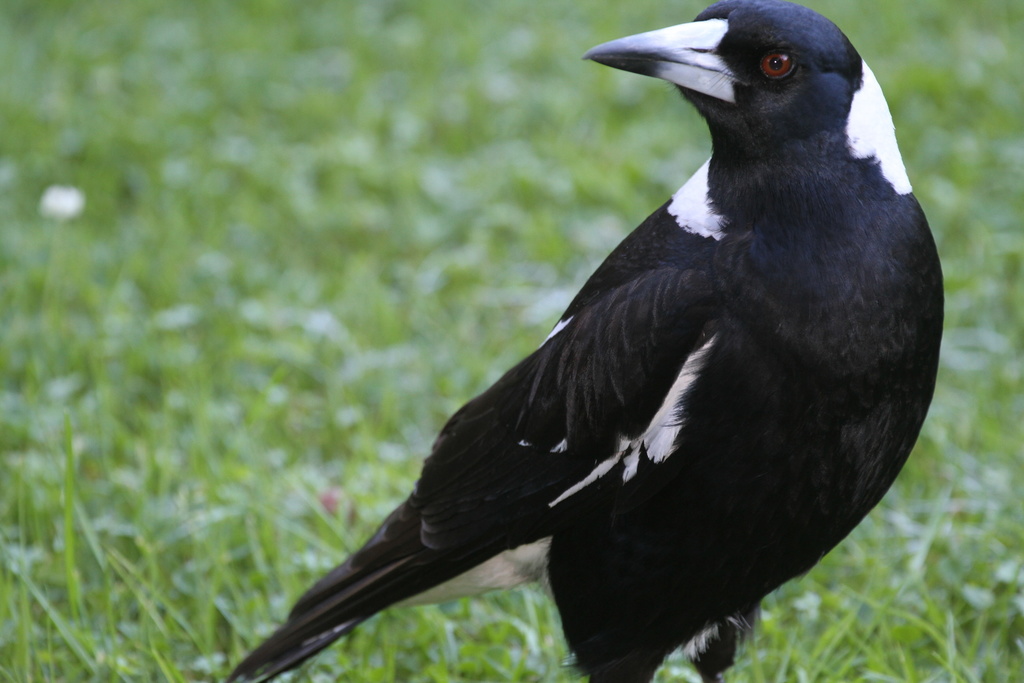

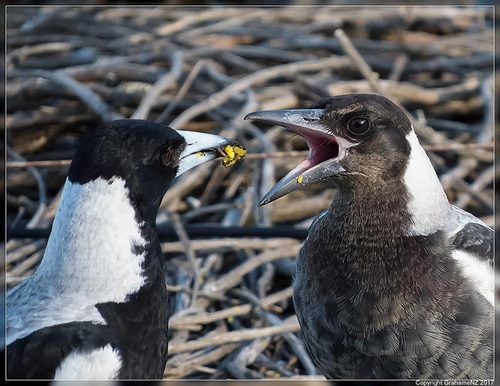
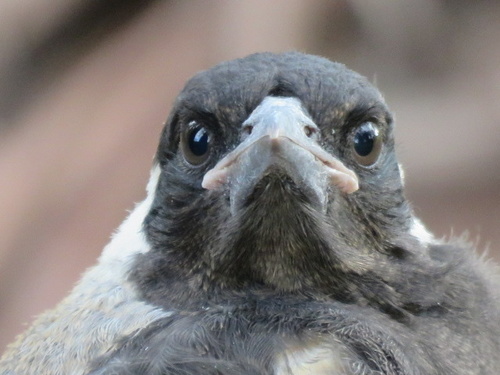
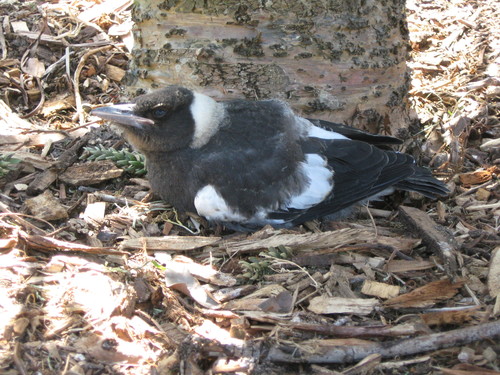
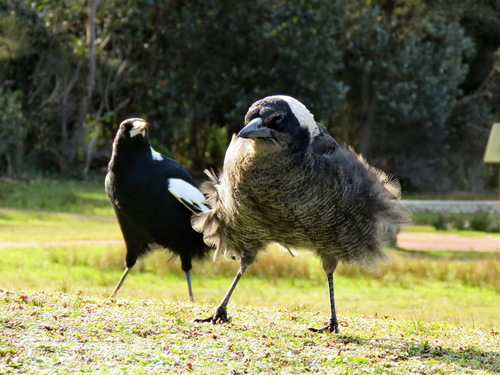
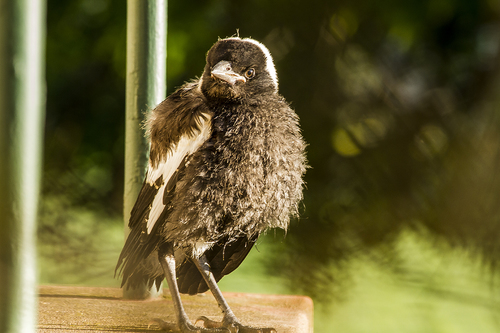
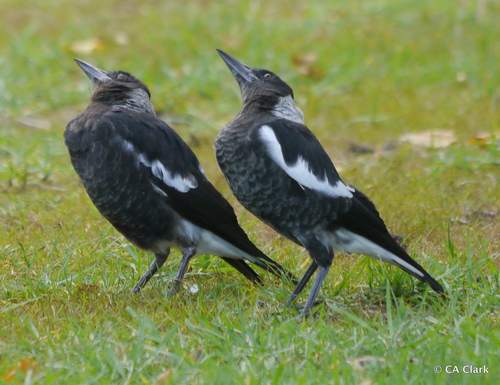
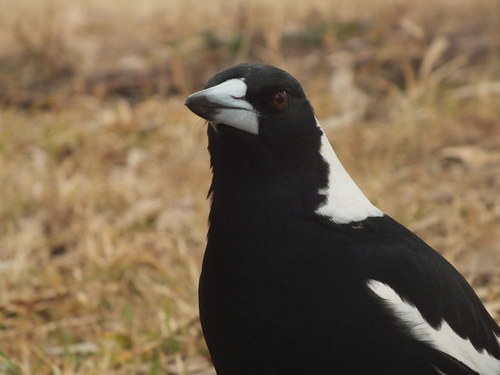
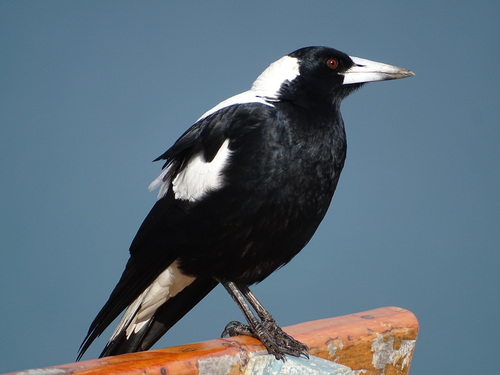
10 photos from iNaturalist (Creative Commons) · credits & licences
- 1. © owlet97 · CC BY-NC 4.0
- 2. © Saryu Mae 前 朝琉 · CC BY 4.0
- 3. © Grahame · CC BY-NC-ND 4.0
- 4. © jody_lawson · CC BY-NC 4.0
- 5. © Ivan Nevirkovets · CC BY-NC 4.0
- 6. © Donald Hobern · CC BY 4.0
- 7. © Brian Rosenberg · CC BY-NC 4.0
- 8. © sea-kangaroo · CC BY-NC-ND 4.0
- 9. © Matthieu Gauvain · CC BY-NC 4.0
- 10. © sarah macdonald · CC BY-NC 4.0
what is it?
The Australian magpie ( Gymnorhina tibicen ) is a medium-sized black and white passerine bird native to Australia and southern New Guinea. Although once considered to be three separate species, it is now considered to be one, with nine recognised subspecies. A member of the Artamidae, the Australian magpie is placed in its own genus Gymnorhina and is most closely related to the black butcherbird ( Melloria quoyi ). It is not, however, closely related to the European magpie, which...
base stats
Bars compare against all animals on log scales: up to 300,000 Dutch and 600,000 worldwide sightings (the most-seen species), 150 t (blue whale), 30 m and 400 years (Greenland shark).
fun facts
- No confirmed wild sightings in the Netherlands on iNaturalist: you'd have to travel for this one.
- 68,580 observations worldwide on iNaturalist.
- Weighs only about 300 g.
- Scientifically named by John Latham in 1801 (225 years ago).
fact sheet
- English
- Australian Magpie
- Nederlands
- Zwartrugfluitvogel
- scientific name
- Gymnorhina tibicen
- class
- Aves
- order
- Passeriformes
- family
- Artamidae
- IUCN Red List
- LC · least concern
- sightings in NL
- 0
- sightings worldwide
- 68,580
- GBIF records in NL
- 1
- weight
- 300 g
- length
- —
- lifespan
- —
- named
- 1801 by John Latham
IUCN in Dutch: niet bedreigd. Blank means the sources don't say.
relatives· Artamidae

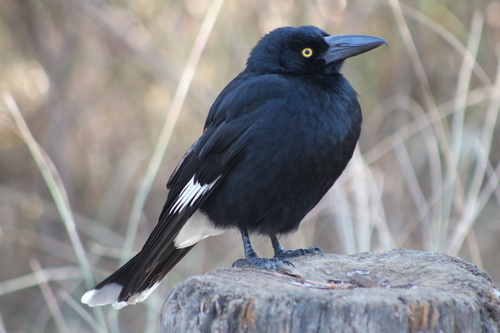
Sources: iNaturalist taxon 8575, Wikidata Q1140949, GBIF 2489450, Wikipedia (EN), Wikipedia (NL). Intro text from Wikipedia (CC BY-SA 4.0).Updated 2026-10-24.