
#1423 · 🐦 birds
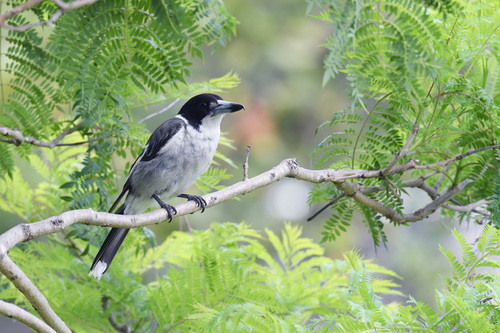
Grey Butcherbird
🇳🇱 Grijsrugorgelvogel ·Cracticus torquatus

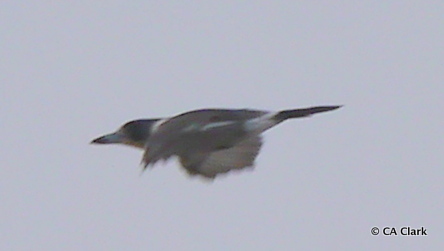
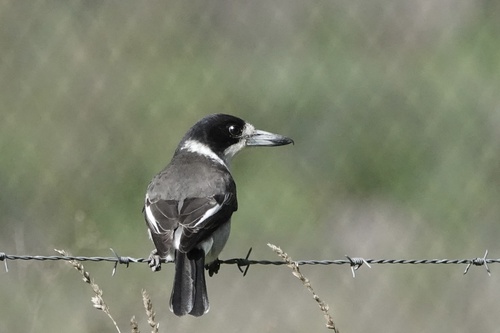
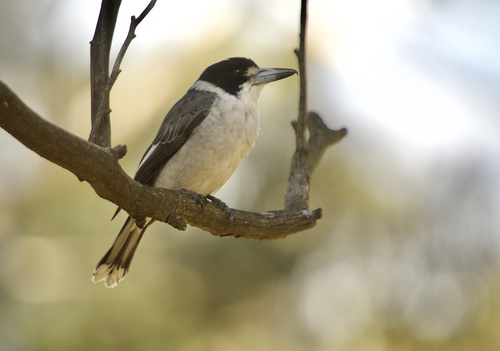
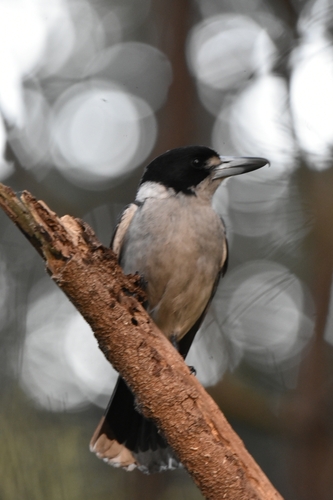
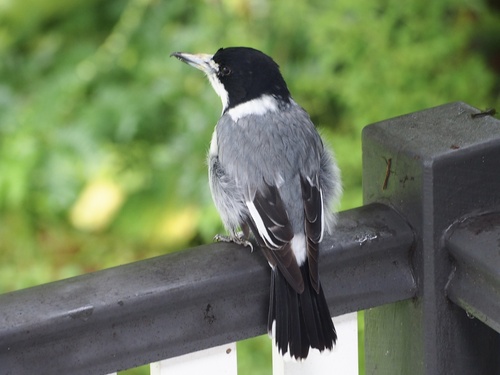
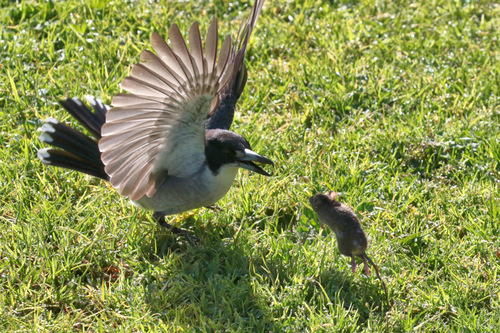 📍 Jarrahmond VIC 3888, Australia
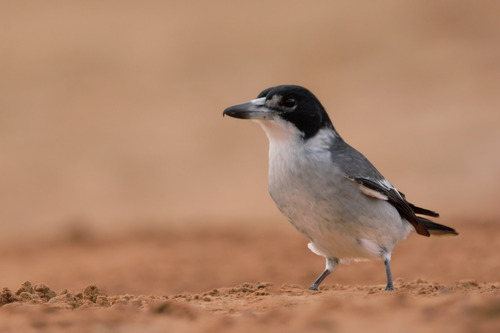 📍 Howick WA 6450, Australia
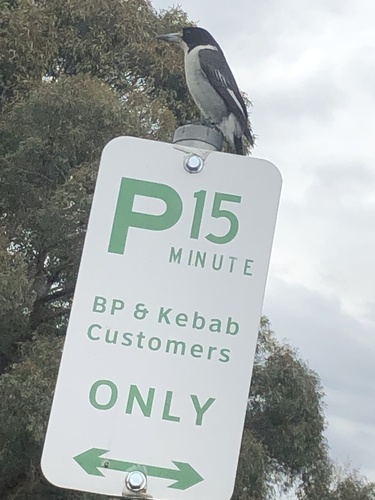 📍 Stud Rd, Rowville, VIC, AU
 📍 Sydney NSW, Australia
10 photos from iNaturalist (Creative Commons) · credits & licences
- 1. © sea-kangaroo · CC BY-NC-ND 4.0
- 2. © sea-kangaroo · CC BY-NC-ND 4.0
- 3. © John Cull · CC0
- 4. © davhud · CC BY-NC 4.0
- 5. © Taylor · CC BY-NC 4.0
- 6. © Susan Edman · CC BY-NC 4.0
- 7. Jarrahmond VIC 3888, Australia:© Vik Dunis · CC BY-NC 4.0
- 8. Howick WA 6450, Australia:© J Magoo · CC BY-NC-ND 4.0
- 9. Stud Rd, Rowville, VIC, AU:© calbe123 · CC BY-NC 4.0
- 10. Sydney NSW, Australia:© Nathan Ruser · CC BY 4.0
what is it?
The Grey Butcherbird ( Cracticus torquatus ) is a widely distributed species endemic to Australia. The grey butcherbird occurs in a range of different habitats including arid, semi-arid and temperate zones. The grey butcherbird is found across southern Australia, but is absent from the deserts of central Australia and the monsoon tropics of northern Australia. It has a characteristic "rollicking" birdsong. It appears to be adapting well to city living, and can be encountered in the suburbs of...
base stats
Bars compare against all animals on log scales: up to 300,000 Dutch and 600,000 worldwide sightings (the most-seen species), 150 t (blue whale), 30 m and 400 years (Greenland shark).
fun facts
- No confirmed wild sightings in the Netherlands on iNaturalist: you'd have to travel for this one.
- 21,775 observations worldwide on iNaturalist.
- Weighs only about 79 g.
- Scientifically named by John Latham in 1801 (225 years ago).
fact sheet
- English
- Grey Butcherbird
- Nederlands
- Grijsrugorgelvogel
- scientific name
- Cracticus torquatus
- class
- Aves
- order
- Passeriformes
- family
- Artamidae
- IUCN Red List
- LC · least concern
- sightings in NL
- 0
- sightings worldwide
- 21,775
- GBIF records in NL
- 0
- weight
- 79 g
- length
- —
- lifespan
- —
- named
- 1801 by John Latham
IUCN in Dutch: niet bedreigd. Blank means the sources don't say.
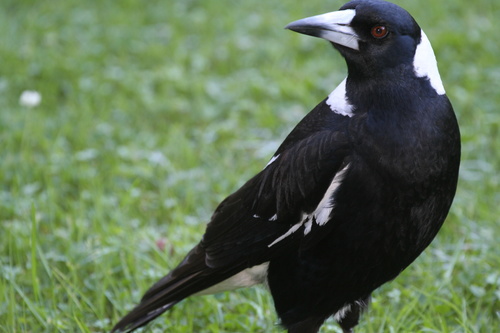
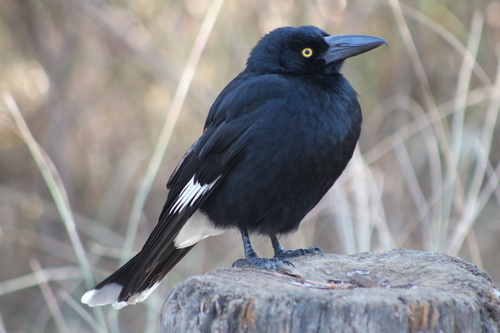
relatives· Artamidae
Sources: iNaturalist taxon 204497, Wikidata Q974220, GBIF 2489440, Wikipedia (EN), Wikipedia (NL). Intro text from Wikipedia (CC BY-SA 4.0).Updated 2026-10-24.