
#1294 · 🐦 birds
Neotropic Cormorant
🇳🇱 Bigua-aalscholver ·Nannopterum brasilianum


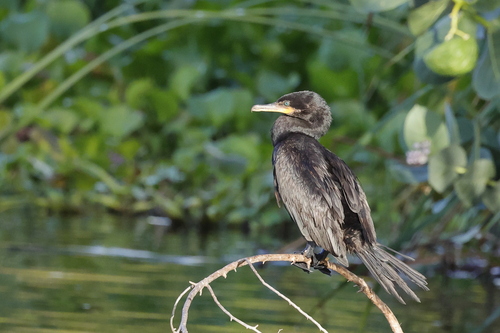
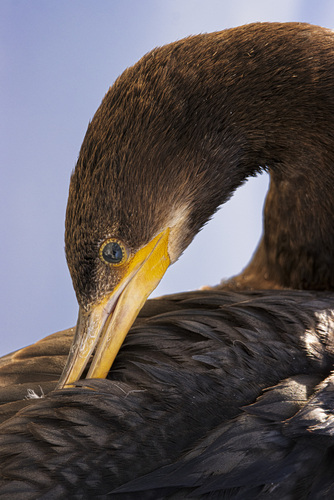
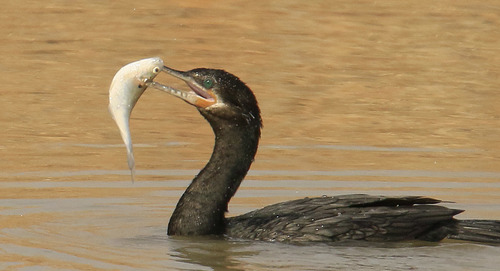
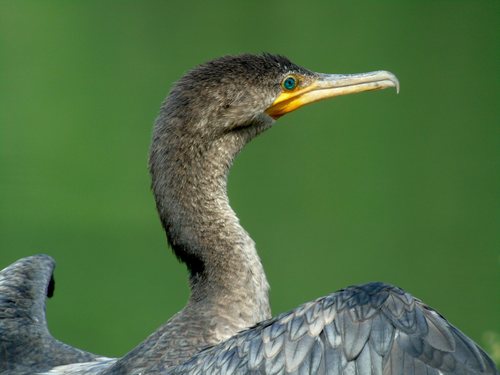
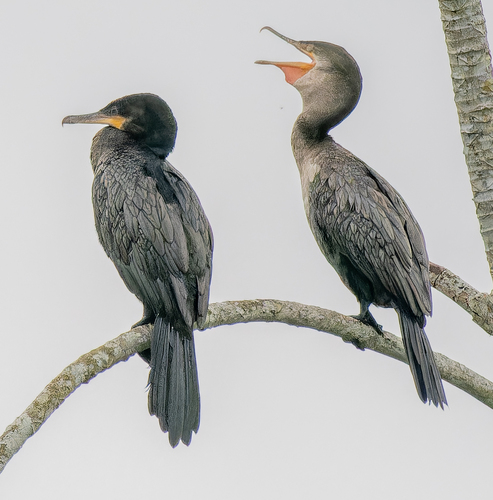
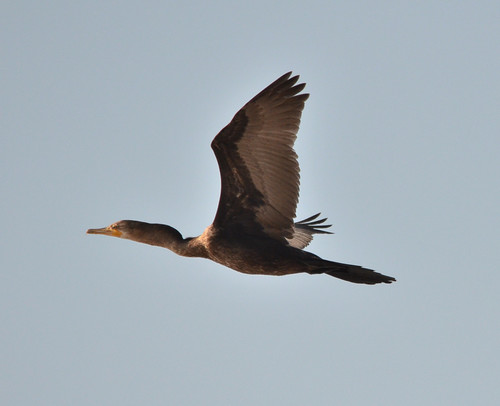
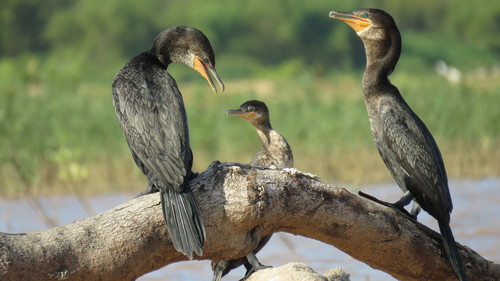
9 photos from iNaturalist (Creative Commons) · credits & licences
- 1. © Kala Murphy King · CC BY-NC-ND 4.0
- 2. © Greg Lasley · CC BY-NC 4.0
- 3. © Daniel Onea · CC BY-NC 4.0
- 4. © Nicole Neira Mena · CC BY-NC 4.0
- 5. © M.L. Watson · CC BY-NC-ND 4.0
- 6. © Vladimir Rebellón Palmezano · CC BY 4.0
- 7. © Don Marsille · CC BY-NC 4.0
- 8. © Don Loarie · CC BY-NC-SA 4.0
- 9. © Patricio Cowper Coles · CC BY 4.0
what is it?
The neotropic cormorant or olivaceous cormorant ( Nannopterum brasilianum ) is a medium-sized cormorant found throughout the American tropics and subtropics, from the middle Rio Grande and the Gulf and Californian coasts of the United States south through Mexico and Central America to southern South America, where it is called by the Indian name of biguá . It also breeds on the Bahamas, Cuba and Trinidad. It can be found both at coasts (including some mangrove areas) and on...
base stats
Bars compare against all animals on log scales: up to 300,000 Dutch and 600,000 worldwide sightings (the most-seen species), 150 t (blue whale), 30 m and 400 years (Greenland shark).
fun facts
- No confirmed wild sightings in the Netherlands on iNaturalist: you'd have to travel for this one.
- 70,853 observations worldwide on iNaturalist.
- Weighs only about 42 g.
- Scientifically named by Johann Friedrich Gmelin in 1789 (237 years ago).
fact sheet
- English
- Neotropic Cormorant
- Nederlands
- Bigua-aalscholver
- scientific name
- Nannopterum brasilianum
- class
- Aves
- order
- Suliformes
- family
- Phalacrocoracidae
- IUCN Red List
- LC · least concern
- sightings in NL
- 0
- sightings worldwide
- 70,853
- weight
- 42 g
- length
- —
- lifespan
- —
- named
- 1789 by Johann Friedrich Gmelin
IUCN in Dutch: niet bedreigd. Blank means the sources don't say.
relatives· Phalacrocoracidae
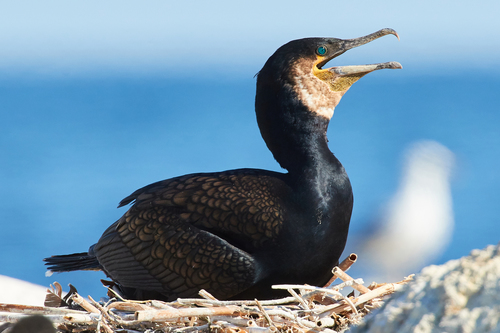 #0541 📷 9
Great Cormorant
🇳🇱 Aalscholver
Phalacrocorax carbo
LC 👀 4.3k in NL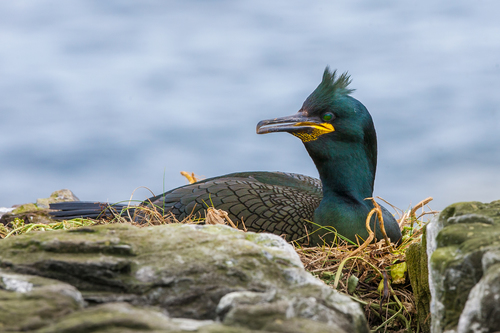 #0747 📷 10
European Shag
🇳🇱 Kuifaalscholver
Gulosus aristotelis
LC 👀 64 in NL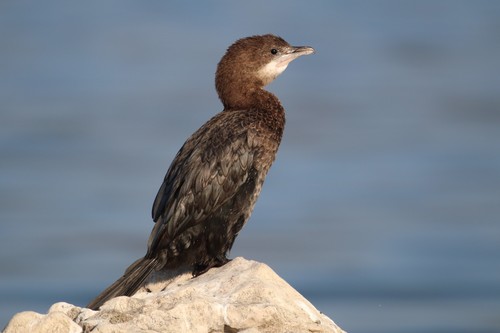 #0822 📷 9
Pygmy Cormorant
🇳🇱 Dwergaalscholver
Microcarbo pygmaeus
LC 👀 18 in NL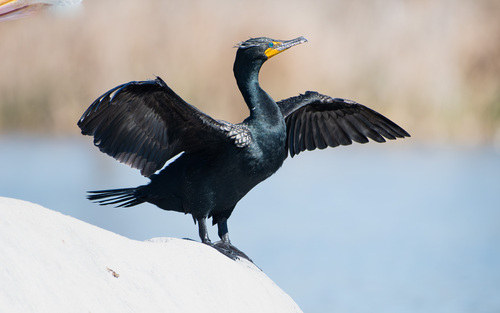 #1026 📷 8
Double-crested Cormorant
🇳🇱 Geoorde Aalscholver
Nannopterum auritum
LC 🌍 218.4k seen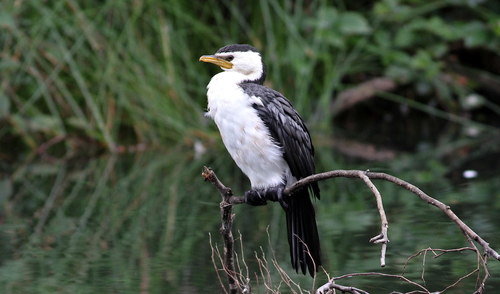 #1344 📷 9
Little Pied Cormorant
🇳🇱 Kleine Bonte Aalscholver
Microcarbo melanoleucos
LC 🌍 36.5k seen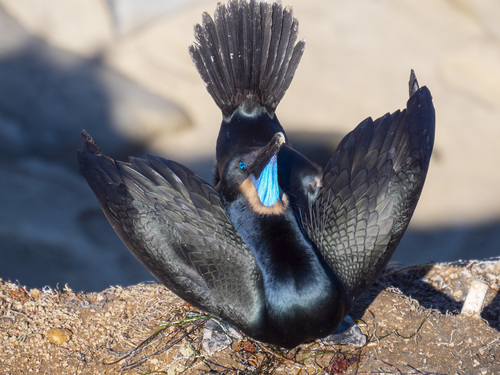 #1407 📷 7
Brandt's Cormorant
🇳🇱 Brandts Aalscholver
Urile penicillatus
LC 🌍 24.1k seen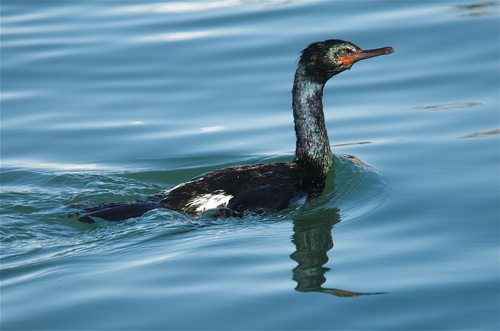 #1457 📷 8
Pelagic Cormorant
🇳🇱 Pelagische Aalscholver
Urile pelagicus
LC 🌍 18.6k seen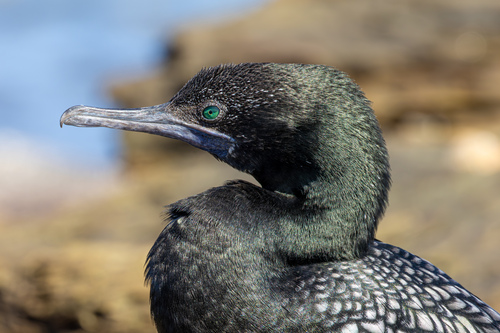 #1460 📷 7
Little Black Cormorant
🇳🇱 Zwarte Aalscholver
Phalacrocorax sulcirostris
LC 🌍 17.9k seen
Sources: iNaturalist taxon 1289601, Wikidata Q117254632, Wikipedia (EN), Wikipedia (NL). Intro text from Wikipedia (CC BY-SA 4.0).Updated 2026-10-24.