
#0022 · 🦊 mammals
European Polecat
🇳🇱 Bunzing ·Mustela putorius

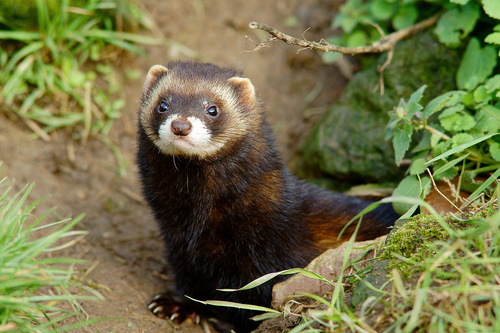


8 photos from iNaturalist (Creative Commons) · credits & licences
what is it?
The European polecat ( Mustela putorius ) — also known as the black or forest polecat , or fitch (as well as some other names) — is a species of mustelid native to western Eurasia and North Africa. It is of a generally dark brown colour, with a pale underbelly and a dark mask across the face. Occasionally, colour mutations, including albinos and erythrists, occur. Compared to minks and other weasels — also fellow members of the genus Mustela — the polecat has...
base stats
Bars compare against all animals on log scales: up to 300,000 Dutch and 600,000 worldwide sightings (the most-seen species), 150 t (blue whale), 30 m and 400 years (Greenland shark).
fun facts
- Spotted 64 times in the Netherlands on iNaturalist: the #22 most seen of the mammals in NL.
- 2,333 observations worldwide on iNaturalist.
- Scientifically named in 1758 (268 years ago).
fact sheet
- English
- European Polecat
- Nederlands
- Bunzing
- scientific name
- Mustela putorius
- class
- Mammalia
- order
- Carnivora
- family
- Mustelidae
- IUCN Red List
- LC · least concern
- in NL
- native
- sightings in NL
- 64
- sightings in Europe
- 1,637
- sightings worldwide
- 2,333
- GBIF records in NL
- 21,605
- weight
- —
- length
- —
- lifespan
- —
- named
- 1758
IUCN in Dutch: niet bedreigd. Blank means the sources don't say.
relatives· Mustelidae
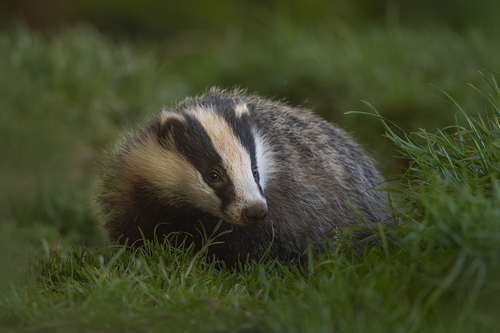 #0017 📷 10
European Badger
🇳🇱 Das
Meles meles
LC 👀 156 in NL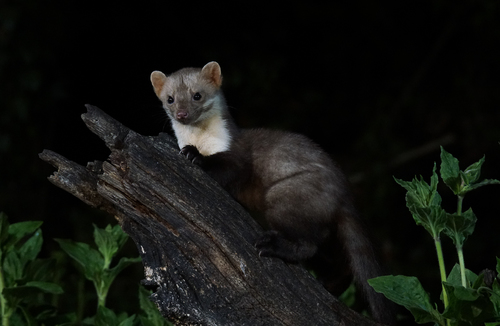 #0020 📷 7
Stone Marten
🇳🇱 Steenmarter
Martes foina
LC 👀 111 in NL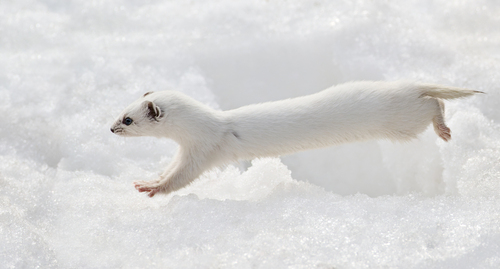 #0027 📷 10
Least Weasel
🇳🇱 Wezel
Mustela nivalis
LC 👀 51 in NL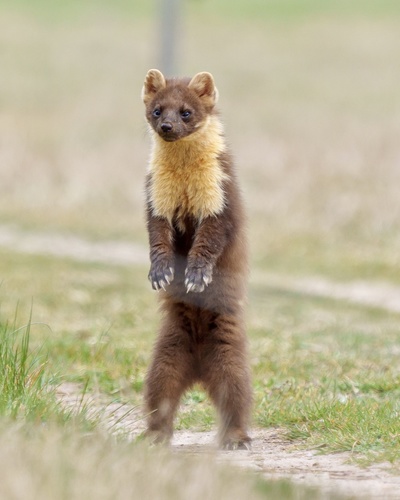 #0029 📷 10
Eurasian Pine Marten
🇳🇱 Boommarter
Martes martes
LC 👀 37 in NL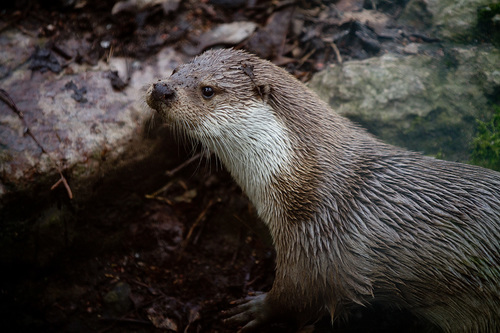 #0032 📷 10
Eurasian Otter
🇳🇱 Europese Otter
Lutra lutra
NT 👀 28 in NL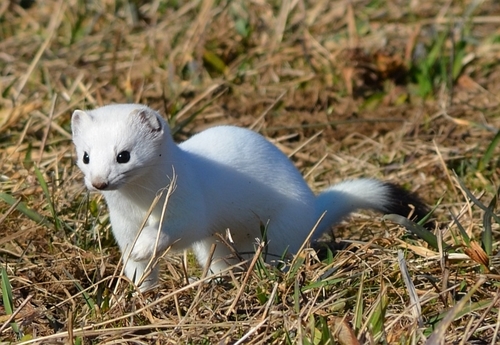 #0034 📷 10
Eurasian Stoat
🇳🇱 Hermelijn
Mustela erminea
LC 👀 25 in NL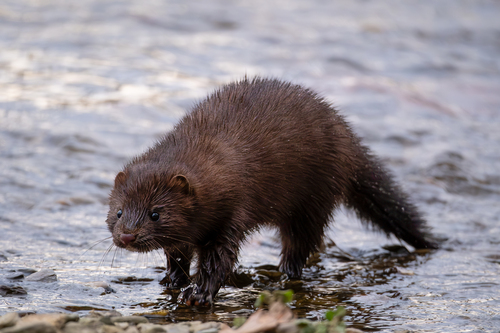 #0061 📷 8
American Mink
🇳🇱 Amerikaanse Nerts
Neogale vison
LC 👀 2 in NL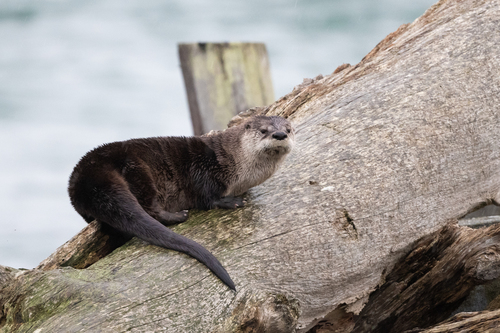 #0210 📷 9
North American River Otter
🇳🇱 Canadese Otter
Lontra canadensis
LC 🌍 39.9k seen
Sources: iNaturalist taxon 41812, Wikidata Q26582, GBIF 5218911, Wikipedia (EN), Wikipedia (NL). Intro text from Wikipedia (CC BY-SA 4.0).Updated 2026-10-24.