
#0731 · 🐦 birds
Caspian Tern
🇳🇱 Reuzenstern ·Hydroprogne caspia

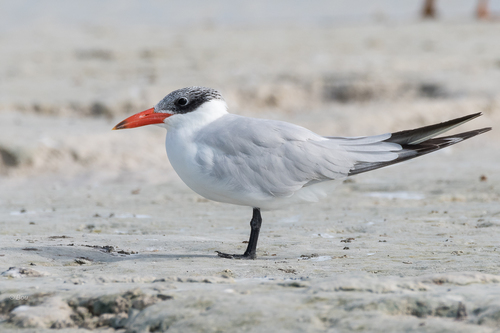
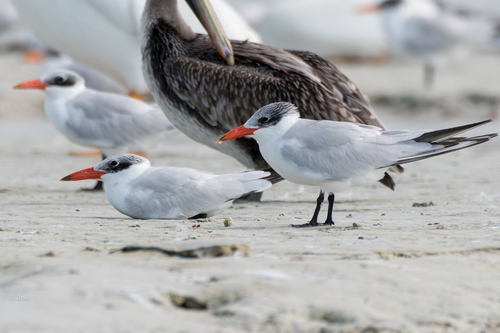
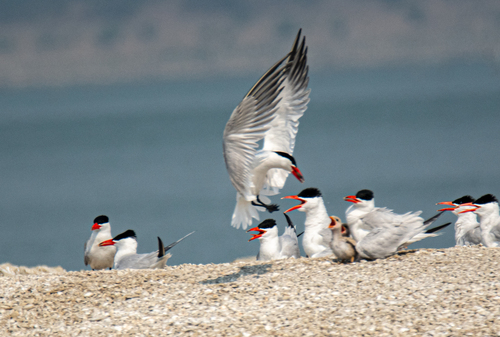
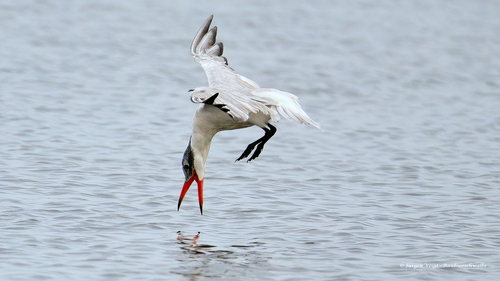
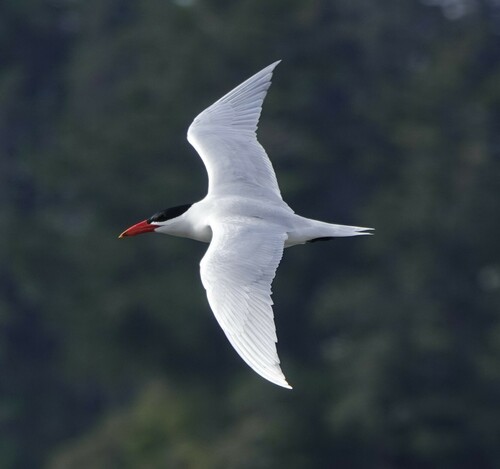
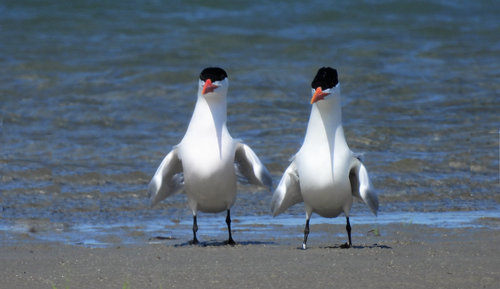
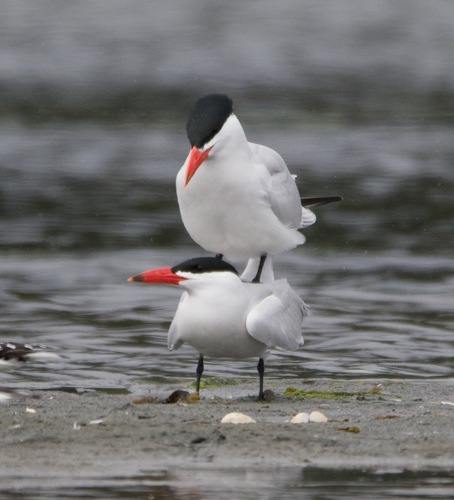
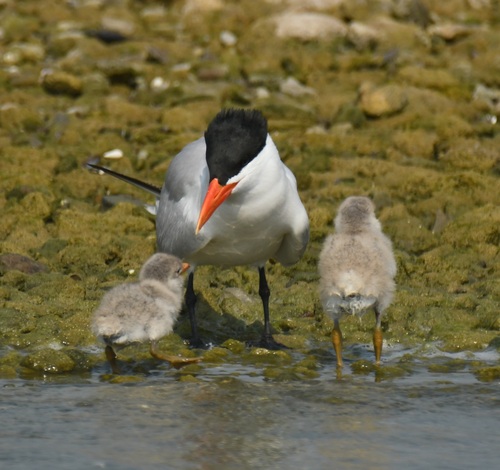
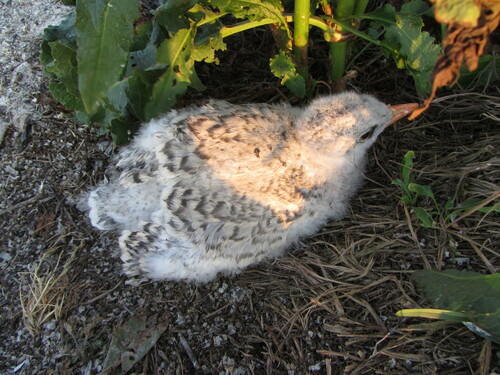
10 photos from iNaturalist (Creative Commons) · credits & licences
- 1. © Jef-B · CC BY-NC 4.0
- 2. © Juan Bou Riquer · CC BY-NC-SA 4.0
- 3. © Juan Bou Riquer · CC BY-NC-SA 4.0
- 4. © Leonardo Guzmán · CC BY-NC-ND 4.0
- 5. © Jürgen Voigt · CC BY-NC-ND 4.0
- 6. © Connor · CC BY-NC 4.0
- 7. © kaynine35 · CC BY-NC 4.0
- 8. © Liam Ragan · CC BY-NC 4.0
- 9. © Leonardo Guzmán · CC BY-NC-ND 4.0
- 10. © Boris · CC BY-NC 4.0
what is it?
The Caspian tern ( Hydroprogne caspia ) is a species of tern, with a subcosmopolitan but scattered distribution. Despite its extensive range, it is monotypic of its genus, and has no accepted subspecies. The genus name is from Ancient Greek hudros , "water", and Latin progne , "swallow". The specific caspia is from Latin and, like the English name, refers to the Caspian Sea.
base stats
Bars compare against all animals on log scales: up to 300,000 Dutch and 600,000 worldwide sightings (the most-seen species), 150 t (blue whale), 30 m and 400 years (Greenland shark).
fun facts
- Spotted 88 times in the Netherlands on iNaturalist.
- 48,391 observations worldwide on iNaturalist.
- Weighs only about 680 g.
- Scientifically named by Peter Simon Pallas in 1770 (256 years ago).
fact sheet
- English
- Caspian Tern
- Nederlands
- Reuzenstern
- scientific name
- Hydroprogne caspia
- class
- Aves
- order
- Charadriiformes
- family
- Laridae
- IUCN Red List
- LC · least concern
- sightings in NL
- 88
- sightings in Europe
- 3,230
- sightings worldwide
- 48,391
- GBIF records in NL
- 33,537
- weight
- 680 g
- length
- —
- lifespan
- —
- named
- 1770 by Peter Simon Pallas
IUCN in Dutch: niet bedreigd. Blank means the sources don't say.
relatives· Laridae
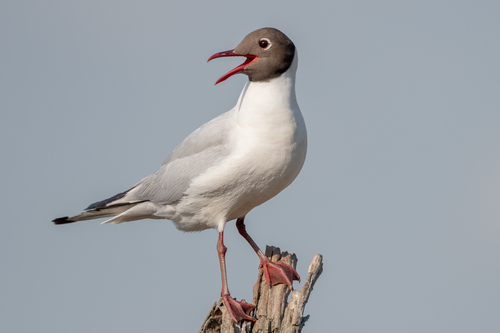 #0538 📷 10
Black-headed Gull
🇳🇱 Kokmeeuw
Chroicocephalus ridibundus
LC 👀 5k in NL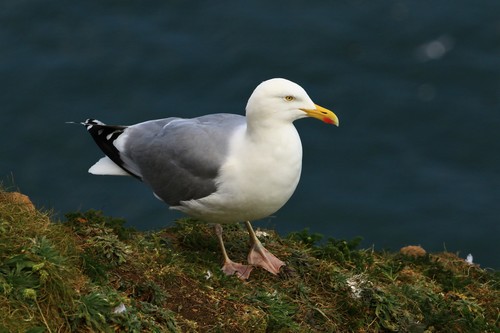 #0540 📷 9
European Herring Gull
🇳🇱 Zilvermeeuw
Larus argentatus
LC 👀 4.4k in NL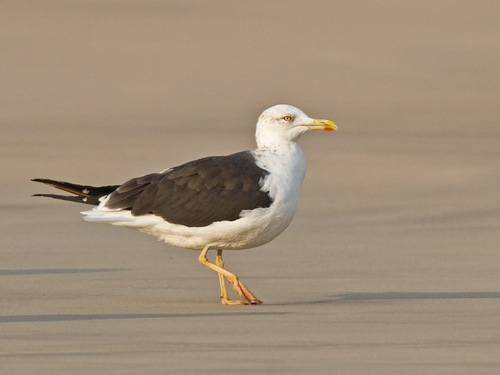 #0567 📷 10
Lesser Black-backed Gull
🇳🇱 Kleine Mantelmeeuw
Larus fuscus
LC 👀 2.1k in NL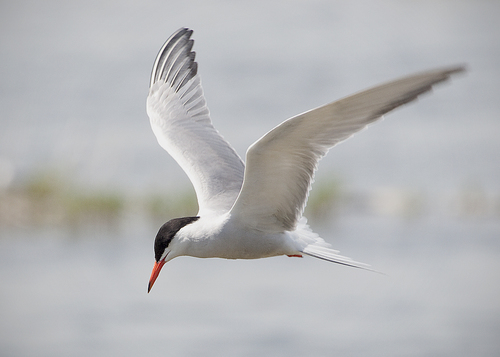 #0573 📷 10
Common Tern
🇳🇱 Visdief
Sterna hirundo
LC 👀 1.7k in NL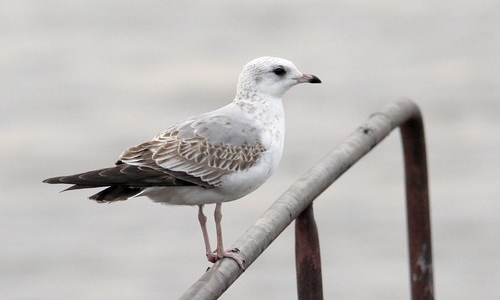 #0581 📷 10
Common Gull
🇳🇱 Stormmeeuw
Larus canus
LC 👀 1.4k in NL #0613 📷 9
Great Black-backed Gull
🇳🇱 Grote Mantelmeeuw
Larus marinus
LC 👀 632 in NL #0625 📷 9
Sandwich Tern
🇳🇱 Grote Stern
Thalasseus sandvicensis
LC 👀 466 in NL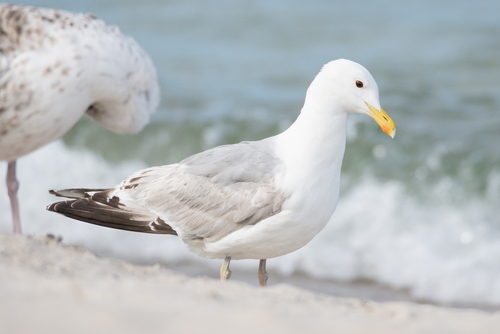 #0648 📷 9
Caspian Gull
🇳🇱 Pontische Meeuw
Larus cachinnans
LC 👀 299 in NL
Sources: iNaturalist taxon 144537, Wikidata Q27129, GBIF 2481236, Wikipedia (EN), Wikipedia (NL). Intro text from Wikipedia (CC BY-SA 4.0).Updated 2026-10-24.