
#0484 · 🦊 mammals
Weddell Seal
🇳🇱 Weddellzeehond ·Leptonychotes weddellii

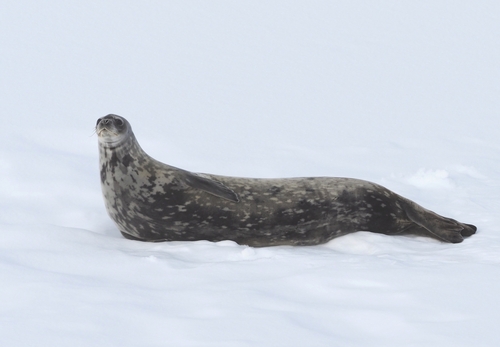


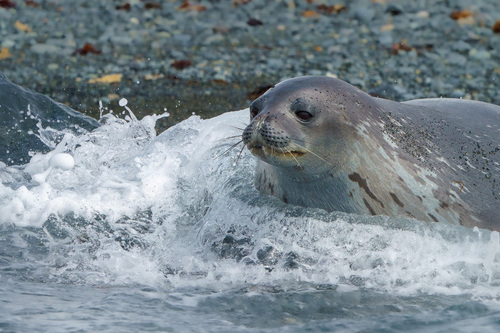
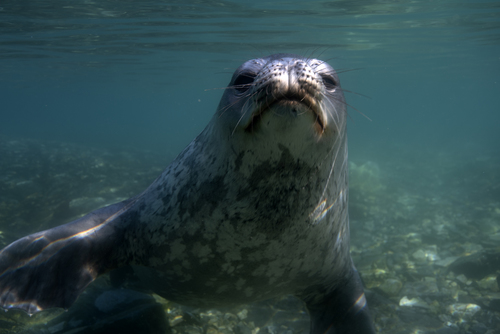
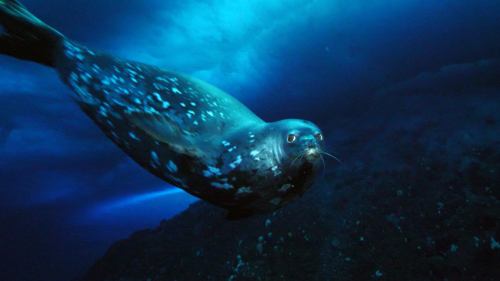
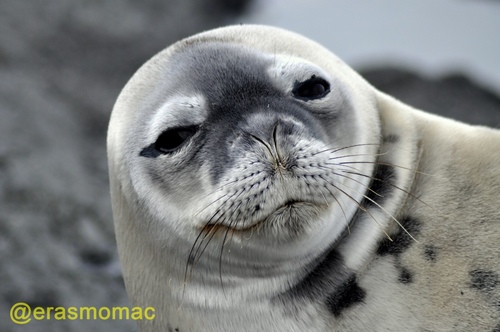
10 photos from iNaturalist (Creative Commons) · credits & licences
- 1. © MS Roald Amundsen · CC BY-NC 4.0
- 2. © Chelsea Fairley · CC BY-NC 4.0
- 3. © Jackson W.F. Chu · CC BY-NC-SA 4.0
- 4. © Greg Lasley · CC BY-NC 4.0
- 5. © Kim, Hyun-tae · CC BY 4.0
- 6. © MS Roald Amundsen · CC BY-NC 4.0
- 7. © Simon Pierce · CC BY-NC 4.0
- 8. © Laura Babahekian · CC BY-NC 4.0
- 9. © pcziko · CC BY-NC 4.0
- 10. © Erasmo Macaya Horta · CC BY 4.0
what is it?
The Weddell seal , Leptonychotes weddellii , is a relatively large and abundant true seal (family: Phocidae) with a circumpolar distribution surrounding Antarctica. Weddell seals have the most southerly distribution of any mammal, with a habitat that extends as far south as McMurdo Sound (at 77°S). It is the only species in the genus Leptonychotes , and the only member of the Antarctic tribe of lobodontine seals to prefer in-shore habitats on shore-fast ice over free-floating pack ice. Genetic...
base stats
Bars compare against all animals on log scales: up to 300,000 Dutch and 600,000 worldwide sightings (the most-seen species), 150 t (blue whale), 30 m and 400 years (Greenland shark).
fun facts
- No confirmed wild sightings in the Netherlands on iNaturalist: you'd have to travel for this one.
- 1,938 observations worldwide on iNaturalist.
- Scientifically named by René Lesson in 1826 (200 years ago).
fact sheet
- English
- Weddell Seal
- Nederlands
- Weddellzeehond
- scientific name
- Leptonychotes weddellii
- class
- Mammalia
- order
- Carnivora
- family
- Phocidae
- IUCN Red List
- LC · least concern
- sightings in NL
- 0
- sightings worldwide
- 1,938
- GBIF records in NL
- 0
- weight
- —
- length
- —
- lifespan
- —
- named
- 1826 by René Lesson
IUCN in Dutch: niet bedreigd. Blank means the sources don't say.
relatives· Phocidae
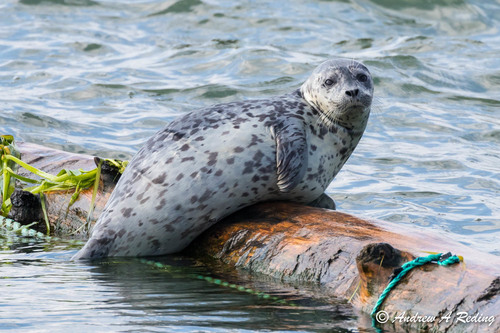 #0003 📷 9
Harbor Seal
🇳🇱 Gewone zeehond
Phoca vitulina
LC 👀 1.3k in NL #0005 📷 8
Grey Seal
🇳🇱 Grijze Zeehond
Halichoerus grypus
LC 👀 837 in NL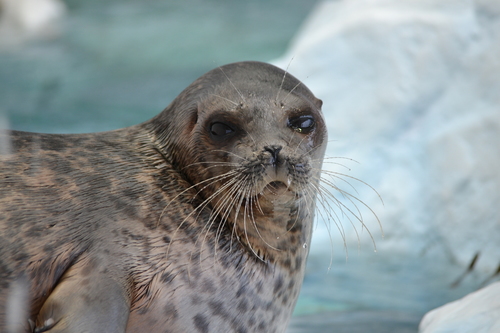 #0048 📷 8
Ringed Seal
🇳🇱 Kleine Zeehond
Pusa hispida
LC 👀 6 in NL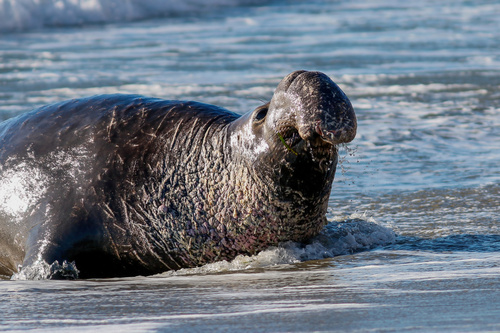 #0251 📷 10
Northern Elephant Seal
🇳🇱 Noordelijke Zeeolifant
Mirounga angustirostris
LC 🌍 12.8k seen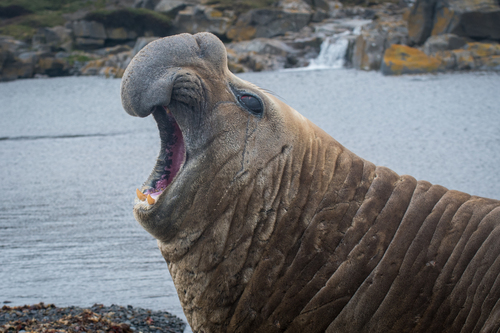 #0361 📷 8
Southern Elephant Seal
🇳🇱 Zuidelijke Zeeolifant
Mirounga leonina
VU 🌍 3.9k seen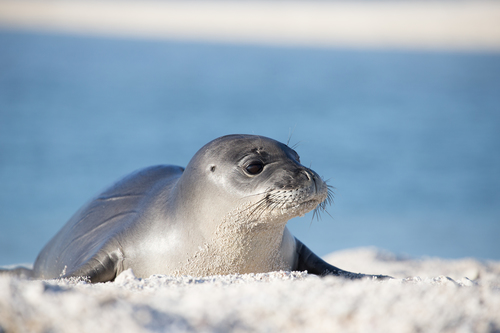 #0369 📷 10
Hawaiian Monk Seal
🇳🇱 Hawaïaanse Monniksrob
Neomonachus schauinslandi
VU 🌍 3.6k seen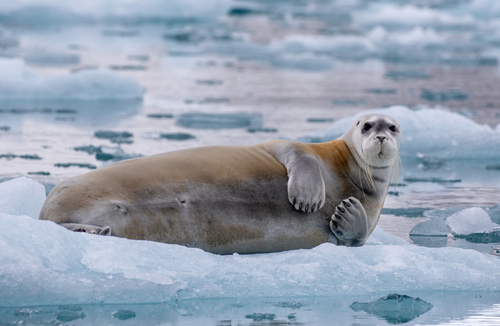 #0154 📷 10
Bearded Seal
🇳🇱 Baardrob
Erignathus barbatus
NT 🌍 928 seen #0174 📷 10
Mediterranean Monk Seal
🇳🇱 Gewone Monniksrob
Monachus monachus
VU 🌍 354 seen
Sources: iNaturalist taxon 41731, Wikidata Q313166, GBIF 2434784, Wikipedia (EN), Wikipedia (NL). Intro text from Wikipedia (CC BY-SA 4.0).Updated 2026-10-24.