
#0526 · 🦊 mammals
Giant Panda
🇳🇱 Reuzenpanda ·Ailuropoda melanoleuca

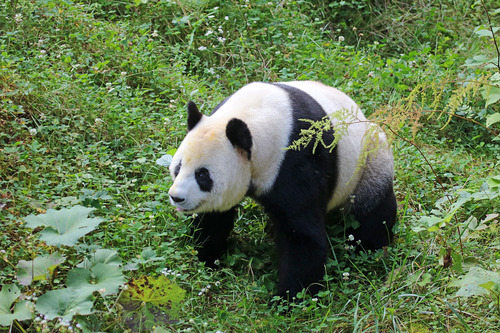
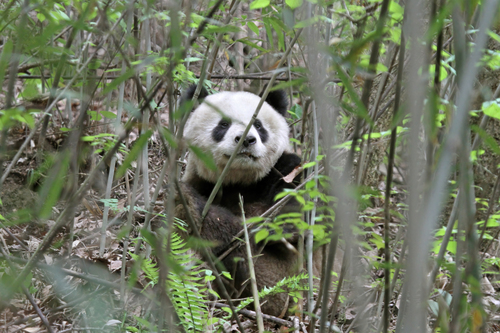
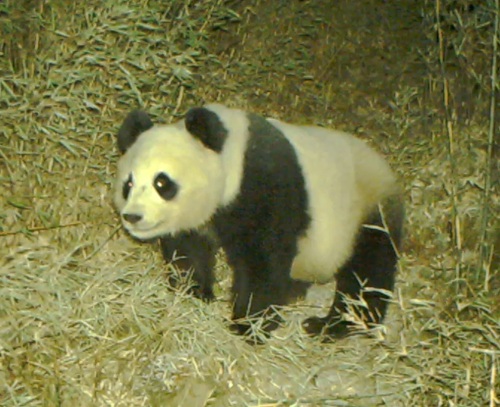
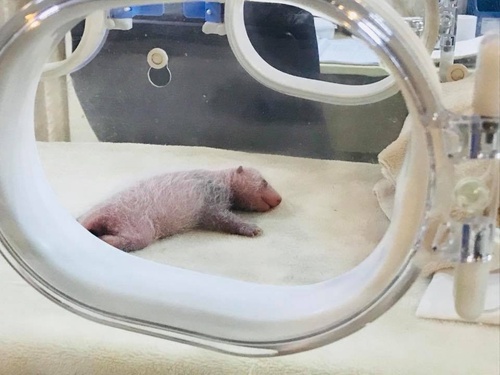

7 photos from iNaturalist (Creative Commons) · credits & licences
- 1. © Joachim S. Müller · CC BY-NC-SA 4.0
- 2. © 昆虫学liuye · CC BY-NC 4.0
- 3. © James Eaton · CC0
- 4. © Royle Safaris · CC BY-NC 4.0
- 5. © Tristak87 · CC BY-NC 4.0
- 6. © Tristak87 · CC BY-NC 4.0
- 7. © yb4wild · CC BY-NC 4.0
what is it?
The giant panda ( Ailuropoda melanoleuca , literally "black and white cat-foot"; Chinese: 大熊猫; pinyin: dà xióng māo , literally "big bear cat"), also known as panda bear or simply panda , is a bear native to south central China. It is easily recognized by the large, distinctive black patches around its eyes, over the ears, and across its round body. The name "giant panda" is sometimes used to distinguish it from the unrelated red panda. Though it belongs to...
base stats
Bars compare against all animals on log scales: up to 300,000 Dutch and 600,000 worldwide sightings (the most-seen species), 150 t (blue whale), 30 m and 400 years (Greenland shark).
fun facts
- No confirmed wild sightings in the Netherlands on iNaturalist: you'd have to travel for this one.
- 1,509 observations worldwide on iNaturalist.
- Weighs up to about 117.5 kg.
- Scientifically named by Armand David in 1869 (157 years ago).
- Listed as Vulnerable on the IUCN Red List.
fact sheet
- English
- Giant Panda
- Nederlands
- Reuzenpanda
- scientific name
- Ailuropoda melanoleuca
- class
- Mammalia
- order
- Carnivora
- family
- Ursidae
- IUCN Red List
- VU · vulnerable
- sightings in NL
- 0
- sightings worldwide
- 1,509
- GBIF records in NL
- 0
- weight
- 117.5 kg
- length
- —
- lifespan
- —
- named
- 1869 by Armand David
IUCN in Dutch: kwetsbaar. Blank means the sources don't say.
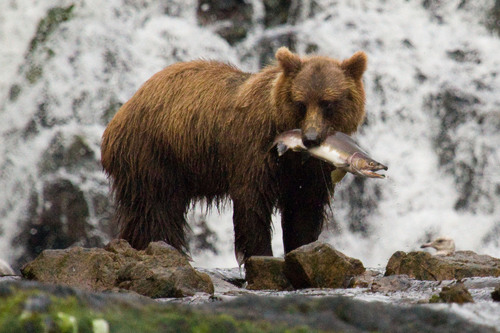
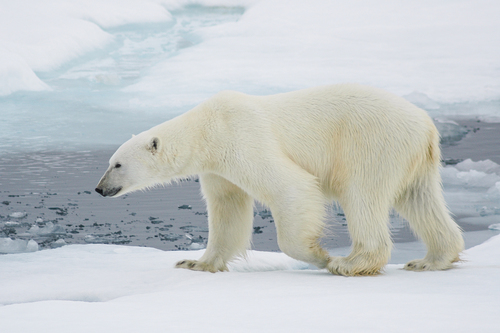
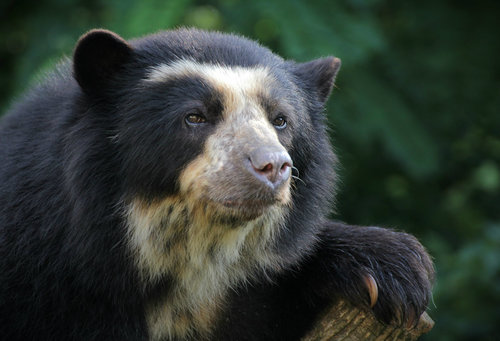
relatives· Ursidae

Sources: iNaturalist taxon 41659, Wikidata Q33602, GBIF 2433399, Wikipedia (EN), Wikipedia (NL). Intro text from Wikipedia (CC BY-SA 4.0).Updated 2026-10-24.