
#1927 · 🐸 amphibians
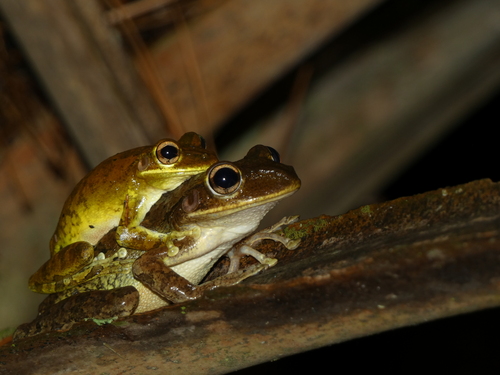
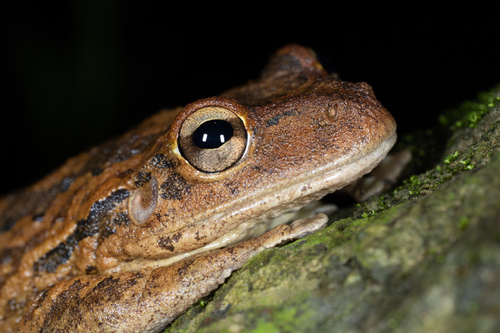
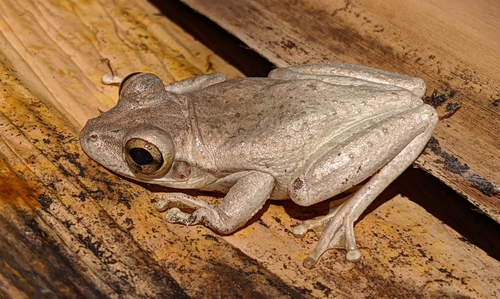
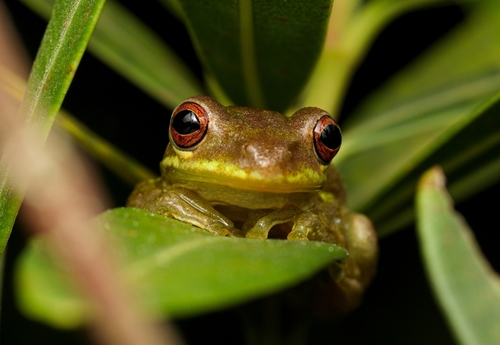
Cuban Tree Frog
🇳🇱 Cubaanse Boomkikker ·Osteopilus septentrionalis

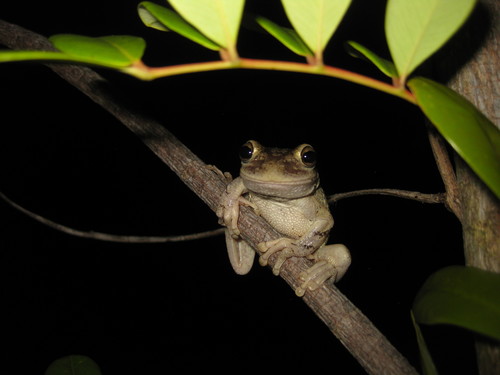
 📍 Ave Maria, FL, US
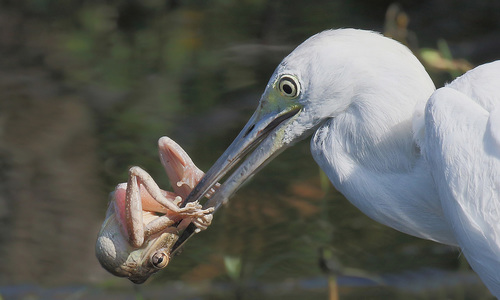 📍 Refugio de Fauna Cayo Santa María Cayo Santa María Villa Clara Cuba
 📍 1108 Parkside Dr, Ormond Beach, FL, US
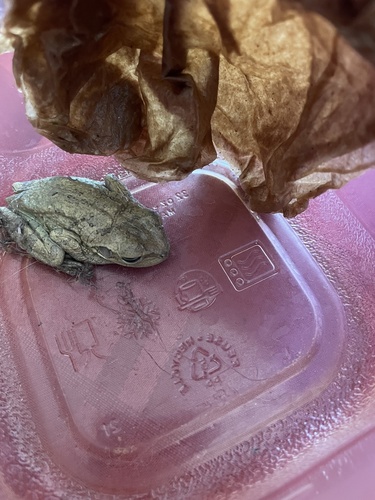 📍 Chittenden, Vermont, United States
10 photos from iNaturalist (Creative Commons) · credits & licences
- 1. © Allan Hopkins · CC BY-NC-ND 4.0
- 2. © Raúl MT · CC BY-NC 4.0
- 3. © Gonzalo Giribet · CC BY-NC 4.0
- 4. © Andy Bridges · CC BY-NC 4.0
- 5. © microavedteriyakiturkey · CC BY-NC 4.0
- 6. © Kevin Judge · CC BY 4.0
- 7. Ave Maria, FL, US:© shmavin · CC BY-NC 4.0
- 8. Refugio de Fauna Cayo Santa María Cayo Santa María Villa Clara Cuba:© Adrian Braidotti · CC BY-NC 4.0
- 9. 1108 Parkside Dr, Ormond Beach, FL, US:© Mary · CC BY-NC 4.0
- 10. Chittenden, Vermont, United States:© Emily Anderson · CC BY-NC 4.0
what is it?
The Cuban tree frog ( Osteopilus septentrionalis ) is an amphibian native to the Caribbean region of the Western Hemisphere. It is the largest tree frog of North America. Its wide diet and ability to thrive amongst humans has made it a highly invasive species with established colonies throughout peninsular Florida, the Hawaiian island of Oahu, and throughout the Caribbean Islands. 5 in (76 to 140 mm) and vary in color from olive-brown...
base stats
Bars compare against all animals on log scales: up to 300,000 Dutch and 600,000 worldwide sightings (the most-seen species), 150 t (blue whale), 30 m and 400 years (Greenland shark).
fun facts
- No confirmed wild sightings in the Netherlands on iNaturalist: you'd have to travel for this one.
- 32,344 observations worldwide on iNaturalist.
- Scientifically named by André Marie Constant Duméril in 1841 (185 years ago).
fact sheet
- English
- Cuban Tree Frog
- Nederlands
- Cubaanse Boomkikker
- scientific name
- Osteopilus septentrionalis
- class
- Amphibia
- order
- Anura
- family
- Hylidae
- IUCN Red List
- LC · least concern
- sightings in NL
- 0
- sightings worldwide
- 32,344
- GBIF records in NL
- 2
- weight
- —
- length
- —
- lifespan
- —
- named
- 1841 by André Marie Constant Duméril
IUCN in Dutch: niet bedreigd. Blank means the sources don't say.
relatives· Hylidae
 #1839 📷 10
European Tree Frog
🇳🇱 Boomkikker
Hyla arborea
LC 👀 250 in NL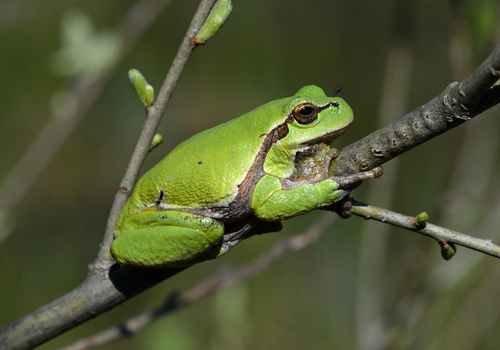 #1851 📷 7
Eastern Tree Frog
🇳🇱 Oostelijke Boomkikker
Hyla orientalis
LC 👀 6 in NL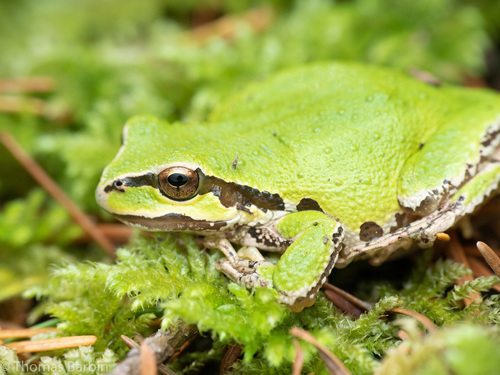 #1908 📷 7
Pacific chorus frog
🇳🇱 Pacifische boomkikker
Pseudacris regilla
LC 🌍 92.5k seen #1912 📷 10
Spring Peeper
🇳🇱 Kruisboomkikker
Pseudacris crucifer
LC 🌍 73.2k seen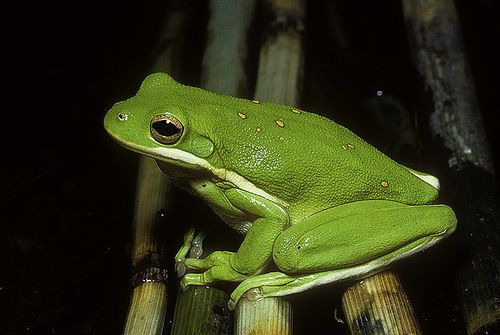 #1913 📷 10
Green Treefrog
🇳🇱 Noord-Amerikaanse boomkikker
Dryophytes cinereus
LC 🌍 66.6k seen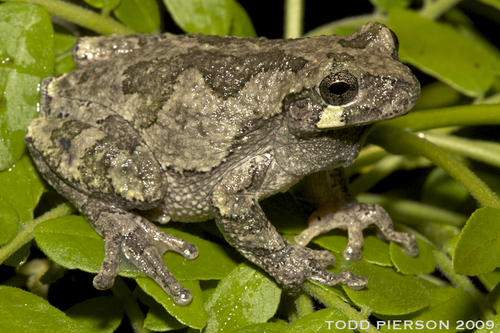 #1914 📷 8
Gray Treefrog
🇳🇱 Grijze boomkikker
Dryophytes versicolor
LC 🌍 63.9k seen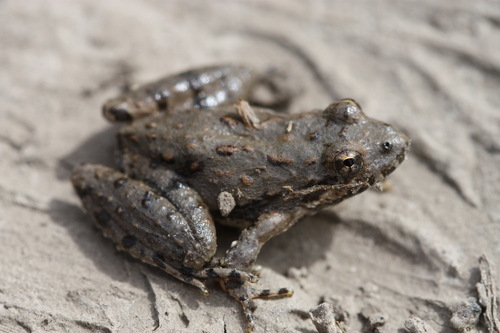 #1922 📷 10
Blanchard's Cricket Frog
🇳🇱 Blanchard's cricket frog
Acris blanchardi
LC 🌍 39k seen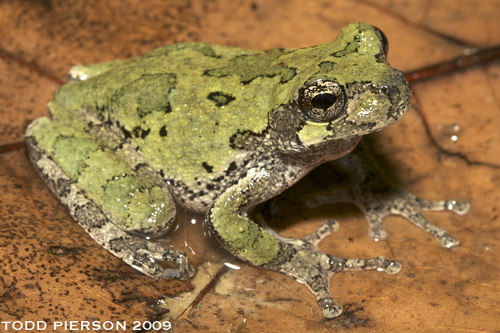 #1923 📷 10
Cope's Gray Tree Frog
🇳🇱 Zuidelijke grijze boomkikker
Dryophytes chrysoscelis
LC 🌍 38.4k seen
Sources: iNaturalist taxon 24382, Wikidata Q1790867, GBIF 2428083, Wikipedia (EN), Wikipedia (NL). Intro text from Wikipedia (CC BY-SA 4.0).Updated 2026-10-24.