
#1839 · 🐸 amphibians
European Tree Frog
🇳🇱 Boomkikker ·Hyla arborea
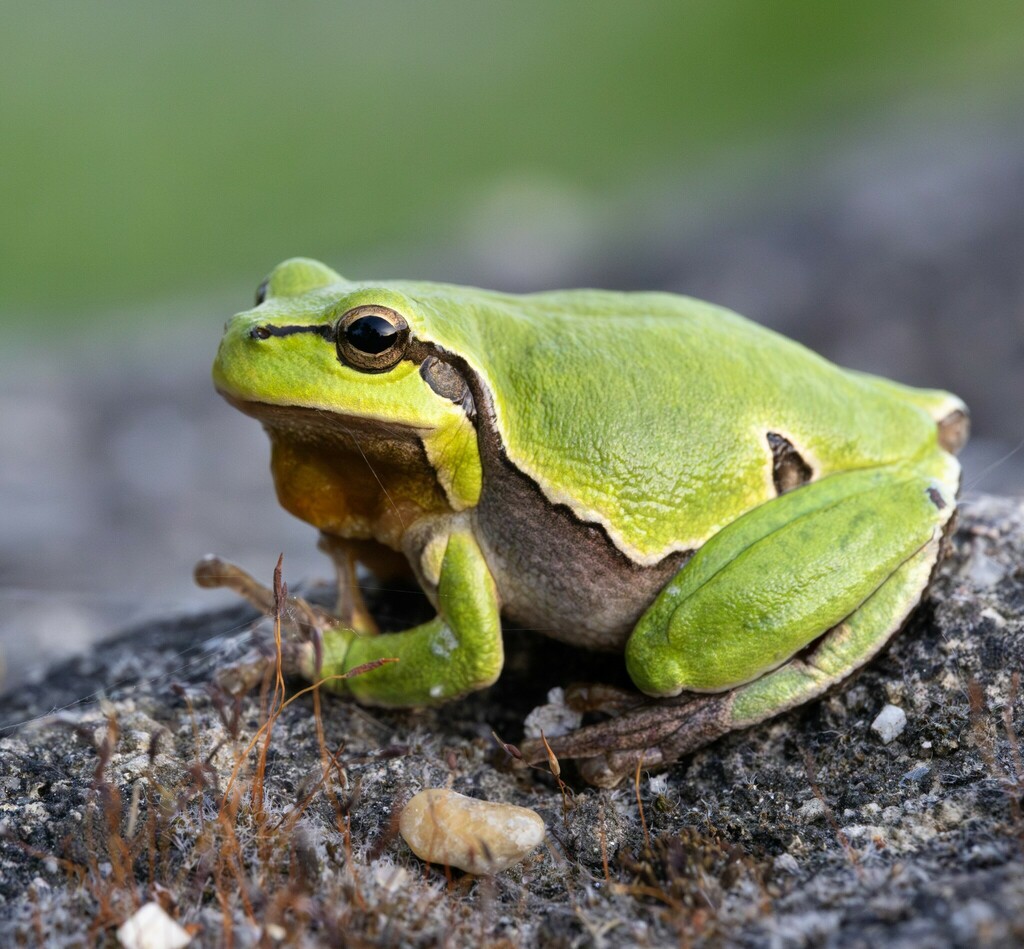


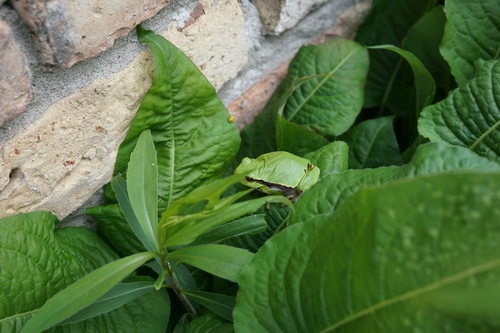
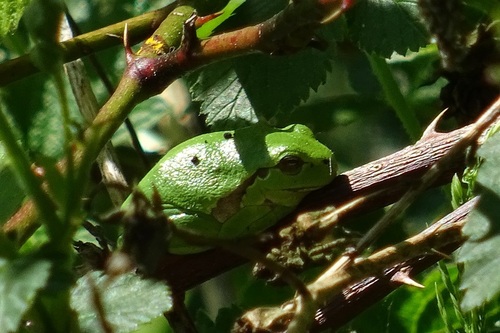
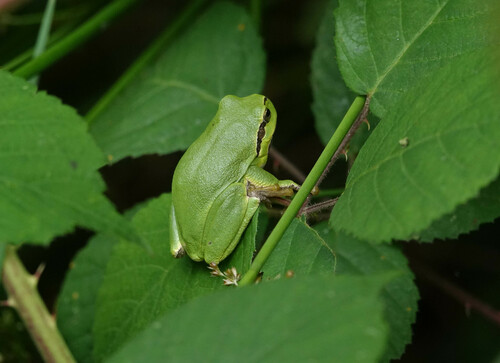
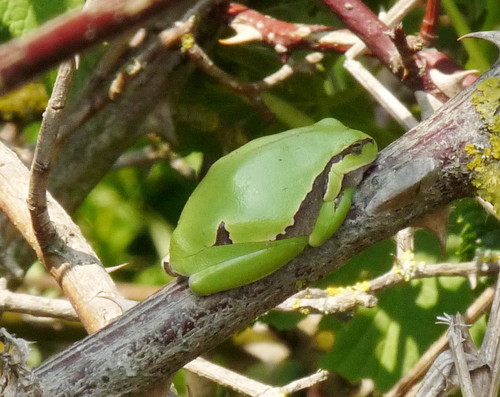
10 photos from iNaturalist (Creative Commons) · credits & licences
- 1. © Manuel Raab · CC BY-NC 4.0
- 2. © Paul Cools · CC BY-NC 4.0
- 3. © knarfoh · CC BY-NC 4.0
- 4. © Matteo Bellucci · CC BY 4.0
- 5. © carnifex · CC BY 4.0
- 6. © Jakob Fahr · CC BY-NC 4.0
- 7. Overijssel, NL:© wollebol · CC BY-NC 4.0
- 8. Gelderland, NL:© jvdwinden · CC BY-NC 4.0
- 9. Noord-Brabant, NL:© Paul G. Schrijvershof · CC BY-NC-ND 4.0
- 10. Zuid-Holland, NL:© harrylurling · CC BY-ND 4.0
what is it?
The European tree frog ( Hyla arborea formerly Rana arborea ) is a small tree frog found in Europe, Asia and part of Africa. Based on molecular genetic and other data, a number of taxa formerly treated as subspecies of H. arborea are now generally recognized as full species.
base stats
Bars compare against all animals on log scales: up to 300,000 Dutch and 600,000 worldwide sightings (the most-seen species), 150 t (blue whale), 30 m and 400 years (Greenland shark).
fun facts
- Spotted 250 times in the Netherlands on iNaturalist: the #5 most seen of the amphibians in NL.
- 8,944 observations worldwide on iNaturalist.
- Scientifically named in 1758 (268 years ago).
- Dutch status: Dutch tree frog populations have been in decline since the 1950's. Habitat loss (loss of water habitats and of forest- and extensive agricultural habitats) is the main culprit. Recently, reintroduction efforts have started, but it is not clear if these will lead to development of robust metapopulations..
fact sheet
- English
- European Tree Frog
- Nederlands
- Boomkikker
- scientific name
- Hyla arborea
- class
- Amphibia
- order
- Anura
- family
- Hylidae
- IUCN Red List
- LC · least concern
- Dutch status
- Dutch tree frog populations have been in decline since the 1950's. Habitat loss (loss of water habitats and of forest- and extensive agricultural habitats) is the main culprit. Recently, reintroduction efforts have started, but it is not clear if these will lead to development of robust metapopulations.
- sightings in NL
- 250
- sightings in Europe
- 8,168
- sightings worldwide
- 8,944
- GBIF records in NL
- 34,754
- weight
- —
- length
- —
- lifespan
- —
- named
- 1758
IUCN in Dutch: niet bedreigd. Blank means the sources don't say.
relatives· Hylidae
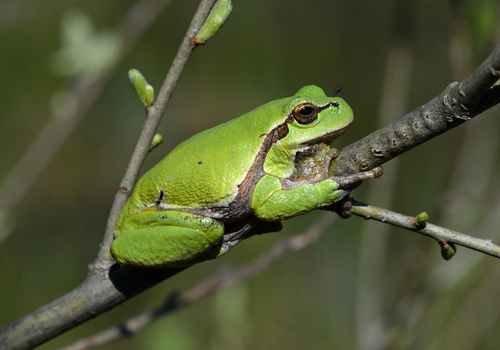 #1851 📷 7
Eastern Tree Frog
🇳🇱 Oostelijke Boomkikker
Hyla orientalis
LC 👀 6 in NL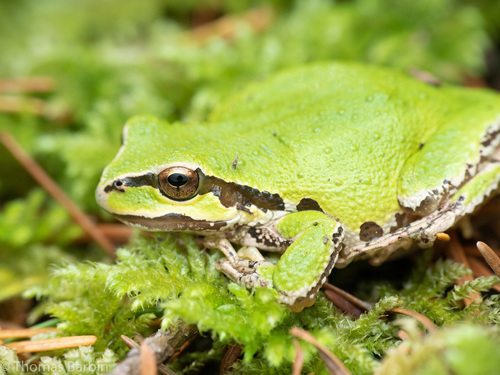 #1908 📷 7
Pacific chorus frog
🇳🇱 Pacifische boomkikker
Pseudacris regilla
LC 🌍 92.5k seen #1912 📷 10
Spring Peeper
🇳🇱 Kruisboomkikker
Pseudacris crucifer
LC 🌍 73.2k seen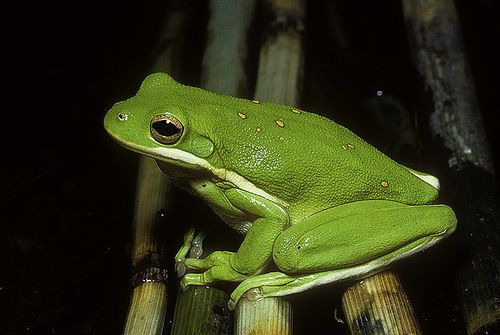 #1913 📷 10
Green Treefrog
🇳🇱 Noord-Amerikaanse boomkikker
Dryophytes cinereus
LC 🌍 66.6k seen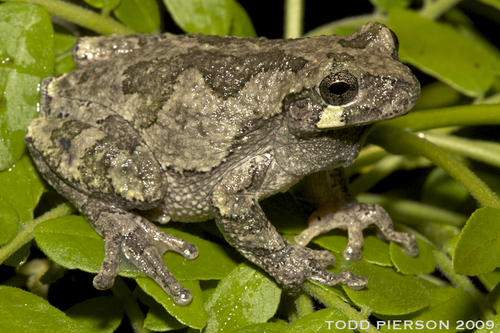 #1914 📷 8
Gray Treefrog
🇳🇱 Grijze boomkikker
Dryophytes versicolor
LC 🌍 63.9k seen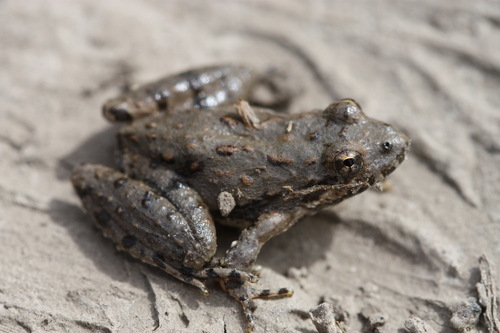 #1922 📷 10
Blanchard's Cricket Frog
🇳🇱 Blanchard's cricket frog
Acris blanchardi
LC 🌍 39k seen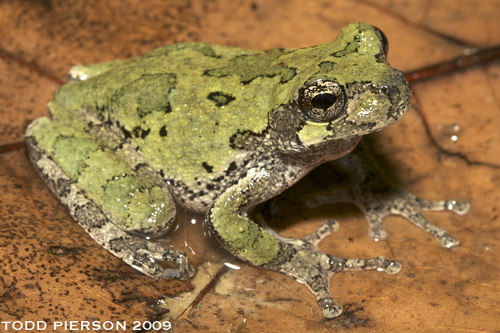 #1923 📷 10
Cope's Gray Tree Frog
🇳🇱 Zuidelijke grijze boomkikker
Dryophytes chrysoscelis
LC 🌍 38.4k seen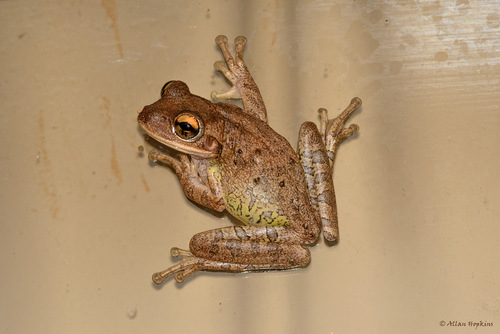 #1927 📷 10
Cuban Tree Frog
🇳🇱 Cubaanse Boomkikker
Osteopilus septentrionalis
LC 🌍 32.3k seen
Sources: iNaturalist taxon 424147, Wikidata Q2142057, GBIF 2427573, Wikipedia (EN), Wikipedia (NL). Intro text from Wikipedia (CC BY-SA 4.0).Updated 2026-10-24.