
#0063 · 🦊 mammals
Sperm Whale
🇳🇱 Potvis ·Physeter macrocephalus


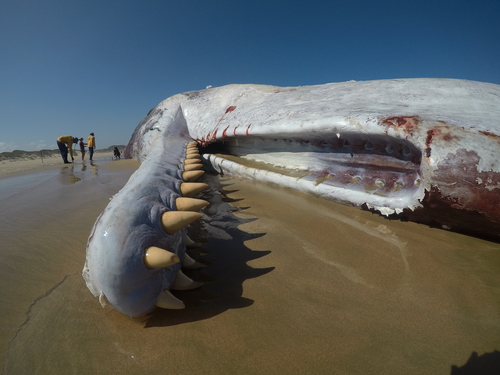
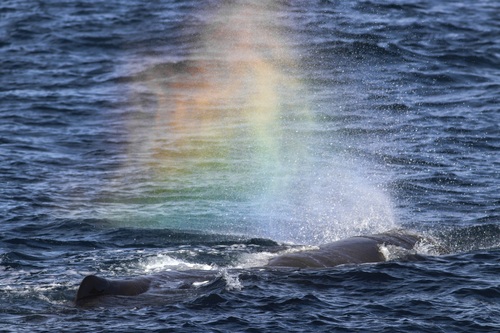
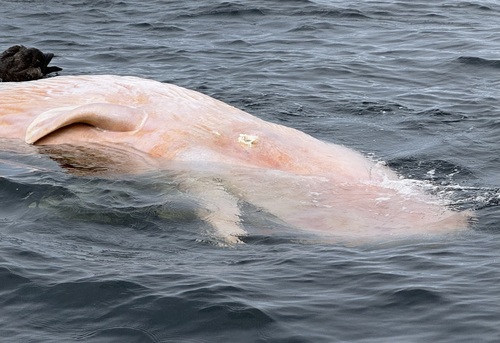
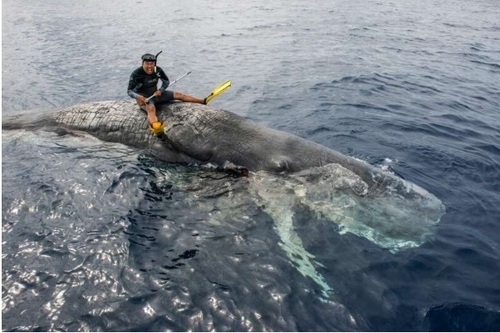
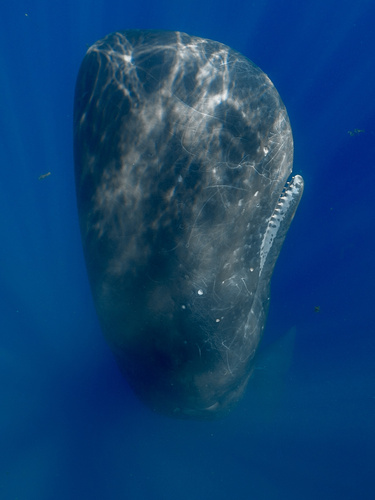
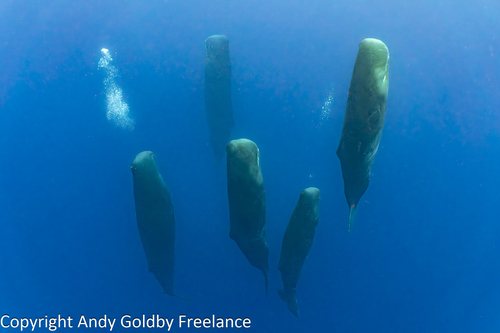
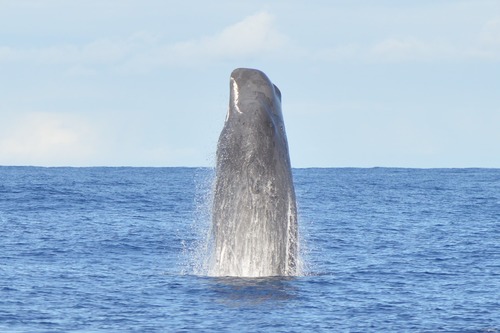
10 photos from iNaturalist (Creative Commons) · credits & licences
- 1. © Wayne and Pam Osborn · CC BY-NC 4.0
- 2. © hdmiller · CC BY-NC 4.0
- 3. © Rino · CC BY-NC 4.0
- 4. South Cape DC, South Africa:© markgrtdixon · CC BY-NC 4.0
- 5. © Vsevolod Rudyi · CC BY 4.0
- 6. © pgkaestner · CC BY-NC 4.0
- 7. © Bermuda Public Records · CC BY-NC 4.0
- 8. © azure27014 · CC BY-NC 4.0
- 9. © Jane Kempler & Andrew Goldby Freelance · CC BY-NC-ND 4.0
- 10. © bio4guy · CC BY-NC 4.0
what is it?
The sperm whale ( Physeter macrocephalus ) or cachalot /ˈkæʃəˌlɒt, ˈkæʃəˌloʊ/ is the largest of the toothed whales and the largest toothed predator. It is the only living member of genus Physeter , and one of three extant species in the sperm whale family, along with the pygmy sperm whale and dwarf sperm whale of the genus Kogia .
base stats
Bars compare against all animals on log scales: up to 300,000 Dutch and 600,000 worldwide sightings (the most-seen species), 150 t (blue whale), 30 m and 400 years (Greenland shark).
fun facts
- Spotted 2 times in the Netherlands on iNaturalist.
- 4,358 observations worldwide on iNaturalist.
- Scientifically named in 1758 (268 years ago).
- Listed as Vulnerable on the IUCN Red List.
fact sheet
- English
- Sperm Whale
- Nederlands
- Potvis
- scientific name
- Physeter macrocephalus
- class
- Mammalia
- order
- Artiodactyla
- family
- Physeteridae
- IUCN Red List
- VU · vulnerable
- sightings in NL
- 2
- sightings in Europe
- 420
- sightings worldwide
- 4,358
- GBIF records in NL
- 521
- weight
- —
- length
- —
- lifespan
- —
- named
- 1758
IUCN in Dutch: kwetsbaar. Blank means the sources don't say.
Sources: iNaturalist taxon 74890, Wikidata Q81214, GBIF 8123917, Wikipedia (EN), Wikipedia (NL). Intro text from Wikipedia (CC BY-SA 4.0).Updated 2026-10-24.