
#0297 · 🦊 mammals
Olive Baboon
🇳🇱 Anubisbaviaan ·Papio anubis
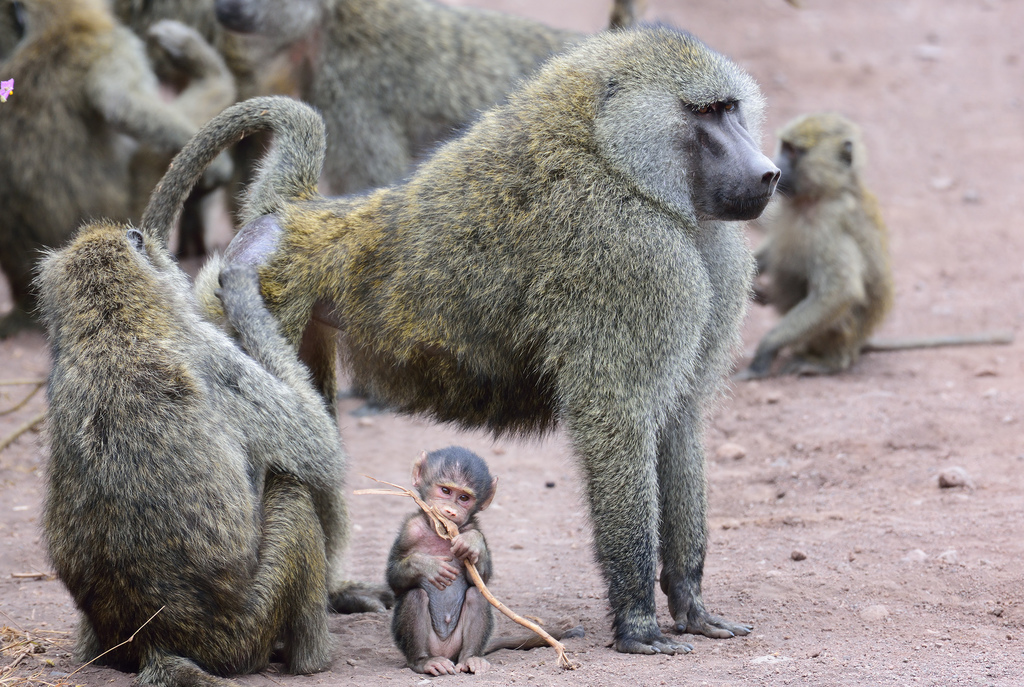

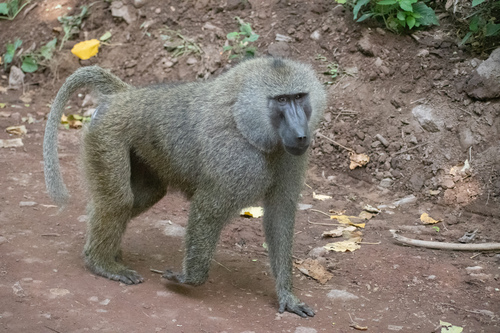


10 photos from iNaturalist (Creative Commons) · credits & licences
- 1. © Ad Konings · CC BY-NC 4.0
- 2. © 116916927065934112165 · CC BY 4.0
- 3. © David Torres · CC BY-NC 4.0
- 4. © Lip Kee · CC BY-SA 4.0
- 5. © Neil Edwards · CC BY-NC 4.0
- 6. © Simon Tonge · CC0
- 7. © B-L · CC BY-NC-ND 4.0
- 8. © Greg Lasley · CC BY-NC 4.0
- 9. © Nik Borrow · CC BY-NC 4.0
- 10. © Bart Wursten · CC BY-NC 4.0
what is it?
The olive baboon ( Papio anubis ), also called the Anubis baboon , is a member of the family Cercopithecidae (Old World monkeys). The species is the most wide-ranging of all baboons, being found in 25 countries throughout Africa, extending from Mali eastward to Ethiopia and Tanzania. Isolated populations are also present in some mountainous regions of the Sahara. It inhabits savannahs, steppes, and forests. The common name is derived from its coat color, which is a shade of...
base stats
Bars compare against all animals on log scales: up to 300,000 Dutch and 600,000 worldwide sightings (the most-seen species), 150 t (blue whale), 30 m and 400 years (Greenland shark).
fun facts
- No confirmed wild sightings in the Netherlands on iNaturalist: you'd have to travel for this one.
- 7,129 observations worldwide on iNaturalist.
- Scientifically named by René Lesson in 1827 (199 years ago).
fact sheet
- English
- Olive Baboon
- Nederlands
- Anubisbaviaan
- scientific name
- Papio anubis
- class
- Mammalia
- order
- Primates
- family
- Cercopithecidae
- IUCN Red List
- LC · least concern
- sightings in NL
- 0
- sightings worldwide
- 7,129
- GBIF records in NL
- 0
- weight
- —
- length
- —
- lifespan
- —
- named
- 1827 by René Lesson
IUCN in Dutch: niet bedreigd. Blank means the sources don't say.
relatives· Cercopithecidae
 #0226 📷 10
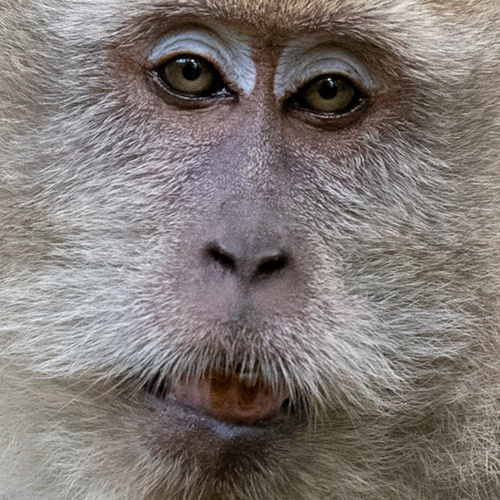
Long-tailed Macaque
🇳🇱 Java-aap
Macaca fascicularis
EN 🌍 25.6k seen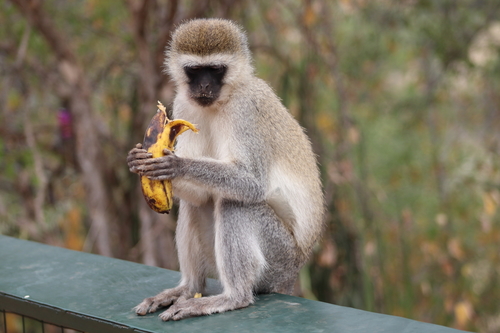 #0246 📷 10
Vervet Monkey
🇳🇱 Vervet
Chlorocebus pygerythrus
LC 🌍 14.3k seen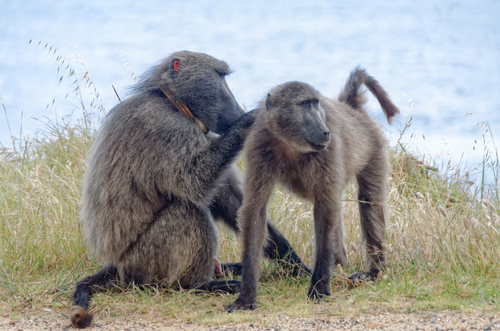 #0258 📷 9
Chacma Baboon
🇳🇱 Beerbaviaan
Papio ursinus
LC 🌍 11.9k seen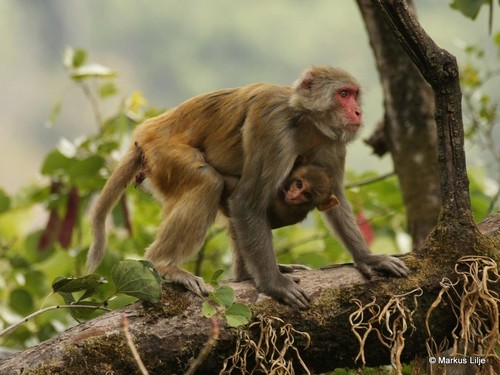 #0263 📷 9
Rhesus Macaque
🇳🇱 Resusaap
Macaca mulatta
LC 🌍 11.1k seen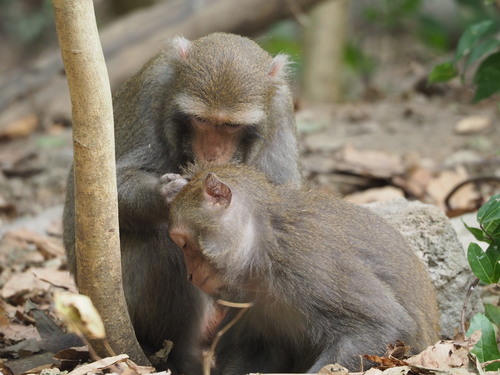 #0300 📷 9
Formosan Rock Macaque
🇳🇱 Formosamakaak
Macaca cyclopis
LC 🌍 7.1k seen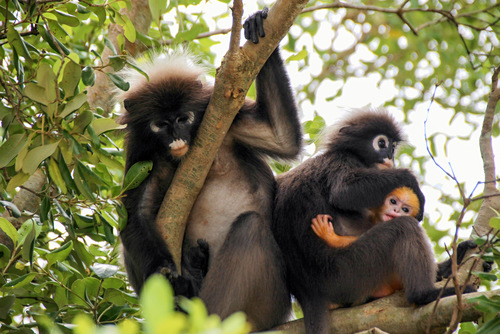 #0326 📷 7
Dusky Leaf Monkey
🇳🇱 Brillangoer
Trachypithecus obscurus
EN 🌍 5.2k seen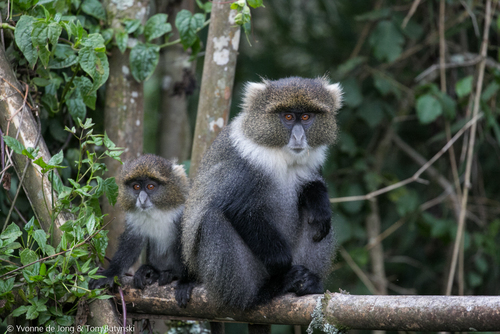 #0333 📷 10
Blue Monkey
🇳🇱 Diadeemmeerkat
Cercopithecus mitis
LC 🌍 5.1k seen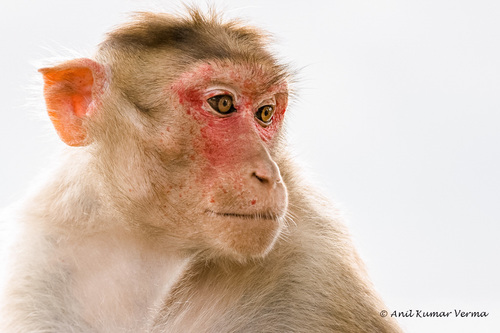 #0340 📷 9
Bonnet Macaque
🇳🇱 Indische Kroonaap
Macaca radiata
VU 🌍 4.7k seen
Sources: iNaturalist taxon 74832, Wikidata Q208561, GBIF 5707341, Wikipedia (EN), Wikipedia (NL). Intro text from Wikipedia (CC BY-SA 4.0).Updated 2026-10-24.