
#0234 · 🦊 mammals
Impala
Aepyceros melampus

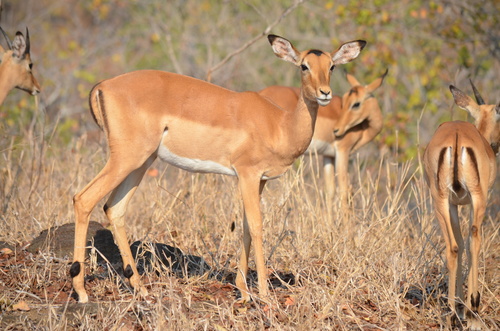
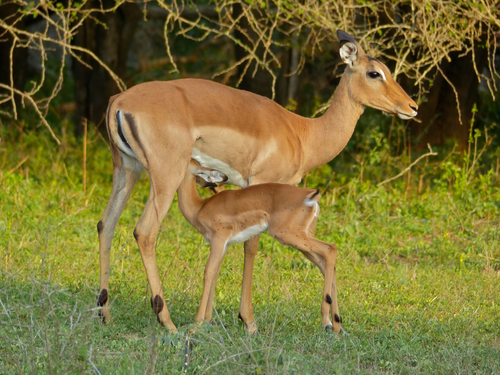

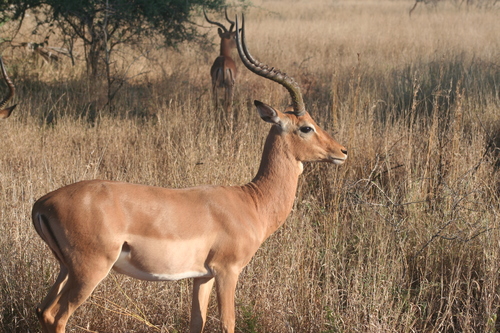
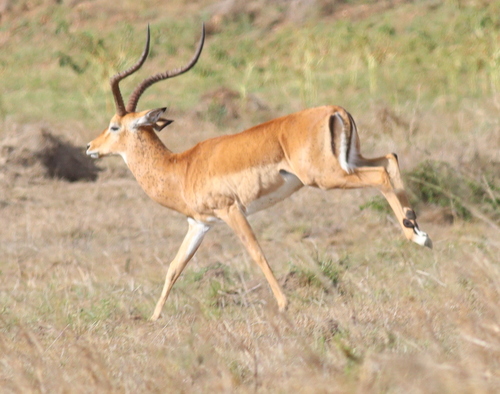
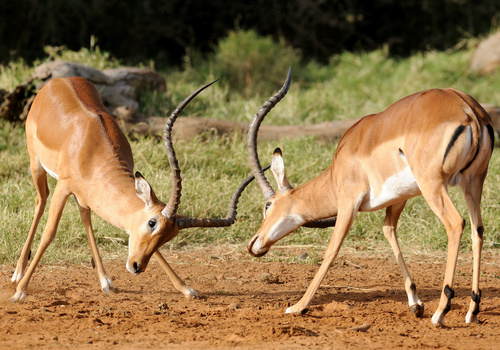
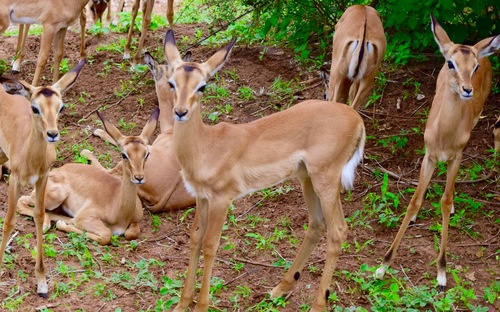


10 photos from iNaturalist (Creative Commons) · credits & licences
- 1. © Diogo Luiz · CC BY 4.0
- 2. © Josiah Londerée · CC BY 4.0
- 3. © Bernard DUPONT · CC BY-SA 4.0
- 4. © Cyrus Li · CC BY-NC 4.0
- 5. © Josiah Townsend · CC BY-NC-ND 4.0
- 6. © Jan Ebr & Ivana Ebrová · CC BY 4.0
- 7. © simben · CC BY-NC-ND 4.0
- 8. © Pacho Gutiérrez · CC BY-NC 4.0
- 9. © Charles J Sharp · CC BY-SA 4.0
- 10. © rosshall · CC BY-NC 4.0
what is it?
The impala (/ɪmˈpɑːləˌ-ˈpælə/; Aepyceros melampus ) is a medium-sized antelope found in eastern and southern Africa. The sole member of the genus Aepyceros , it was first described to European audiences by German zoologist Hinrich Lichtenstein in 1812. Two subspecies are recognised—the common impala, and the larger and darker black-faced impala. The impala reaches 70–92 centimetres (28–36 inches) at the shoulder and weighs 40–76 kg (88–168 lb). It features a glossy, reddish brown coat. The male's slender, lyre-shaped horns are...
base stats
Bars compare against all animals on log scales: up to 300,000 Dutch and 600,000 worldwide sightings (the most-seen species), 150 t (blue whale), 30 m and 400 years (Greenland shark).
fun facts
- No confirmed wild sightings in the Netherlands on iNaturalist: you'd have to travel for this one.
- 18,924 observations worldwide on iNaturalist.
- Scientifically named by Hinrich Lichtenstein in 1812 (214 years ago).
fact sheet
- English
- Impala
- Nederlands
- Impala
- scientific name
- Aepyceros melampus
- class
- Mammalia
- order
- Artiodactyla
- family
- Bovidae
- IUCN Red List
- LC · least concern
- sightings in NL
- 0
- sightings worldwide
- 18,924
- GBIF records in NL
- 1
- weight
- —
- length
- —
- lifespan
- —
- named
- 1812 by Hinrich Lichtenstein
IUCN in Dutch: niet bedreigd. Blank means the sources don't say.
relatives· Bovidae
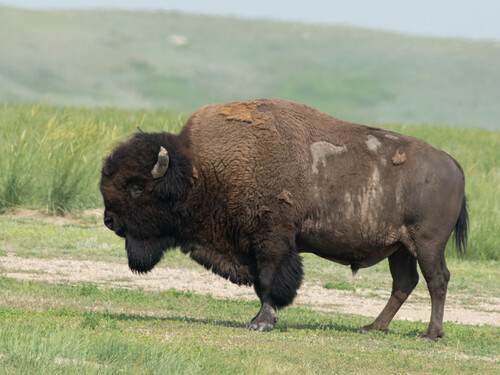 #0083 📷 8
American Bison
🇳🇱 Bizon
Bos bison
NT 🌍 34.6k seen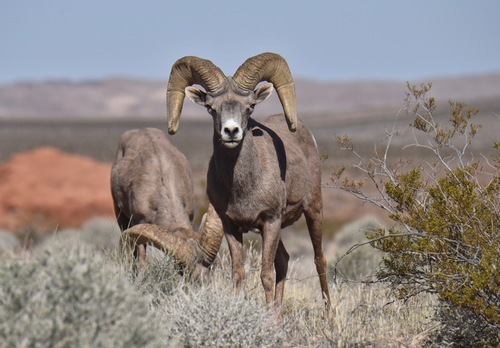 #0214 📷 9
Bighorn Sheep
🇳🇱 Dikhoornschaap
Ovis canadensis
LC 🌍 34k seen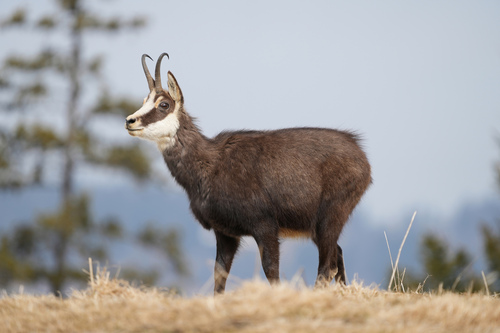 #0088 📷 8
Northern Chamois
🇳🇱 Gems
Rupicapra rupicapra
LC 🌍 17.3k seen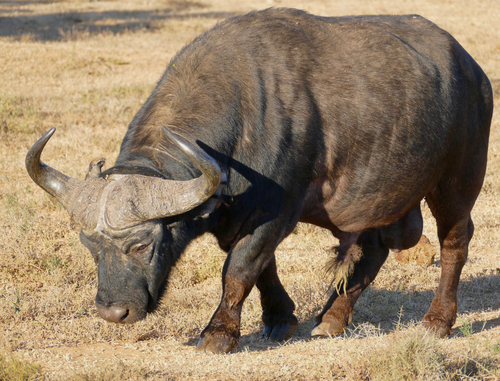 #0241 📷 10
African Buffalo
🇳🇱 Afrikaanse buffel
Syncerus caffer
NT 🌍 16.2k seen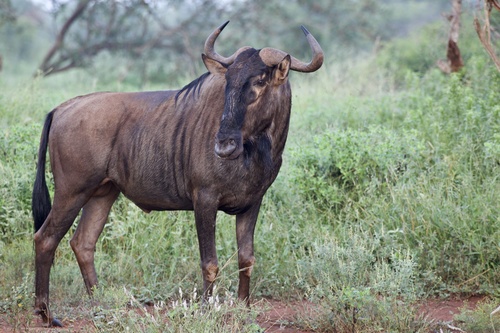 #0247 📷 7
Common Wildebeest
🇳🇱 Blauwe Gnoe
Connochaetes taurinus
LC 🌍 13.7k seen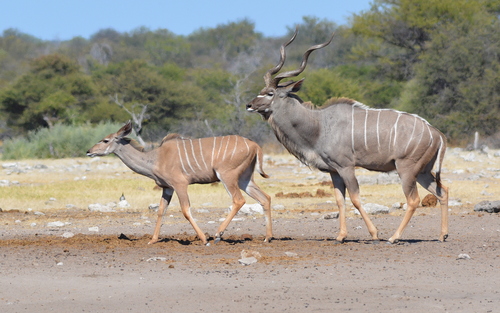 #0253 📷 8
Greater Kudu
🇳🇱 Grote Koedoe
Tragelaphus strepsiceros
LC 🌍 12.4k seen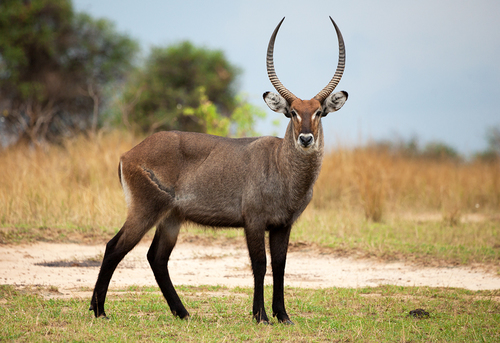 #0255 📷 10
Waterbuck
🇳🇱 Gewone Waterbok
Kobus ellipsiprymnus
LC 🌍 12.2k seen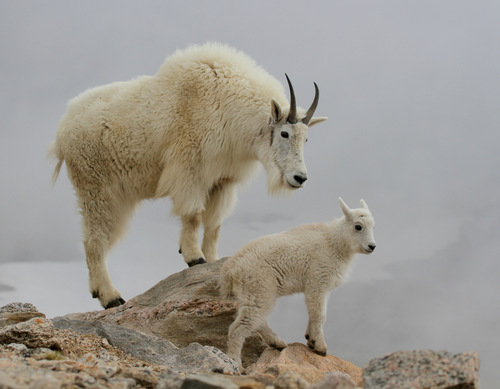 #0265 📷 9
Mountain Goat
🇳🇱 Sneeuwgeit
Oreamnos americanus
LC 🌍 10.5k seen
Sources: iNaturalist taxon 42278, Wikidata Q132576, GBIF 2441144, Wikipedia (EN), Wikipedia (NL). Intro text from Wikipedia (CC BY-SA 4.0).Updated 2026-10-24.