
#3712 · 🪽 dragonflies & damselflies
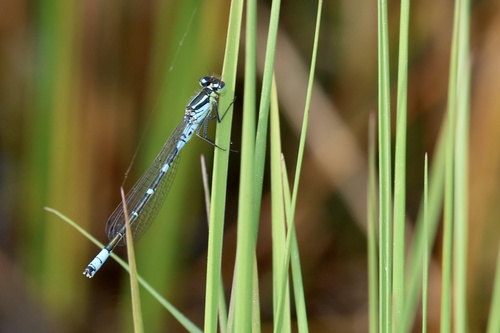
Irish Damselfly
🇳🇱 Maanwaterjuffer ·Coenagrion lunulatum

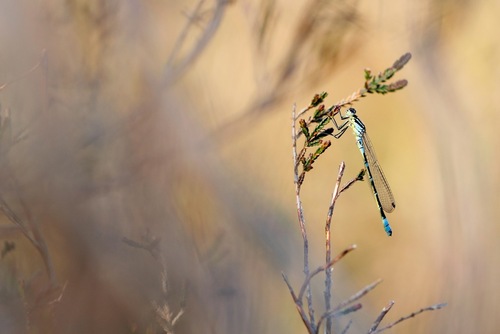 📍 6611 Overasselt, Nederland
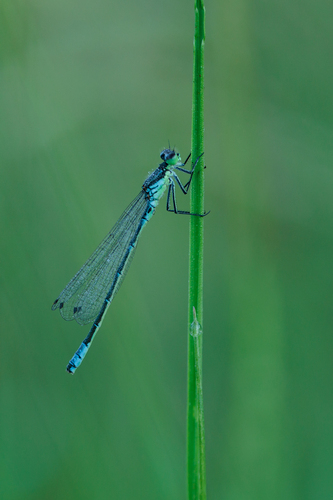 📍 Netherlands
 📍 Netherlands
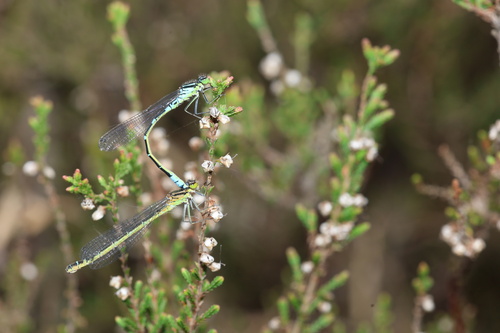 📍 Overijssel, NL
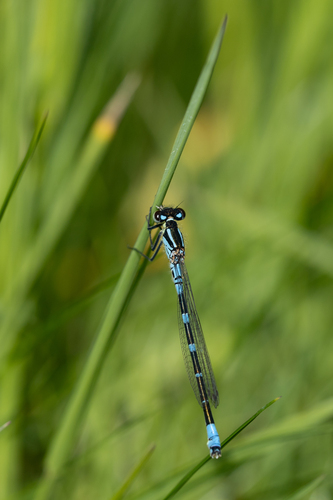 📍 Netherlands
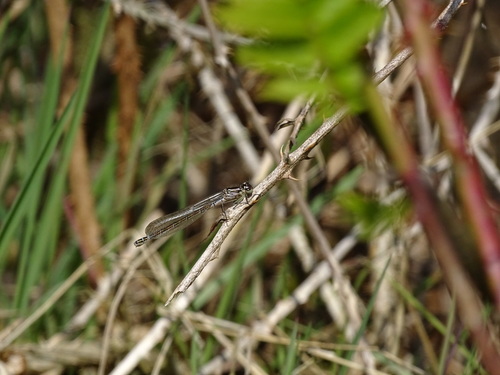 📍 7894 Zwartemeer, Nederland
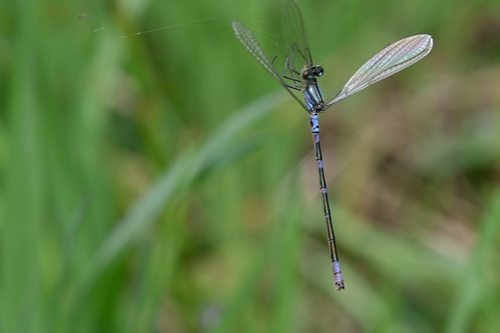 📍 Overijssel, NL
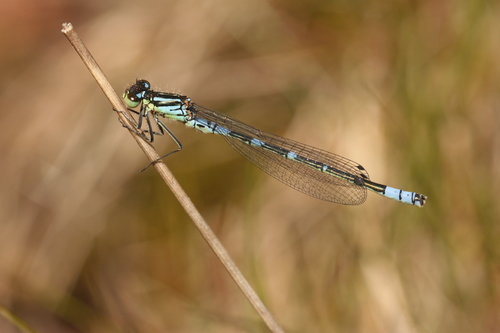 📍 Gelderland, NL
 📍 Overijssel, NL
10 photos from iNaturalist (Creative Commons) · credits & licences
- 1. © Paul Cools · CC BY-NC 4.0
- 2. 6611 Overasselt, Nederland:© Simon Hazenberg · CC BY-NC 4.0
- 3. Netherlands:© J. H. · CC BY 4.0
- 4. Netherlands:© J. H. · CC BY 4.0
- 5. Overijssel, NL:© Dr. Günther Fuchs · CC BY-NC 4.0
- 6. Netherlands:© J. H. · CC BY 4.0
- 7. 7894 Zwartemeer, Nederland:© Gerben ter Haar · CC BY-NC 4.0
- 8. Overijssel, NL:© Dr. Günther Fuchs · CC BY-NC 4.0
- 9. Gelderland, NL:© Paul G. Schrijvershof · CC BY-NC-ND 4.0
- 10. Overijssel, NL:© Dr. Günther Fuchs · CC BY-NC 4.0
what is it?
The Irish damselfly or crescent bluet ( Coenagrion lunulatum ) is a damselfly found in northern Europe and Asia to north-eastern China;. It is common and widespread in northern Finland, scarce and local in the Netherlands and Ireland and rare elsewhere. One of its English name comes from the fact that it is found in Ireland but not in Britain. The alternative name, crescent bluet, refers to the shape of the markings on segment two of the male...
base stats
Bars compare against all animals on log scales: up to 300,000 Dutch and 600,000 worldwide sightings (the most-seen species), 150 t (blue whale), 30 m and 400 years (Greenland shark).
fun facts
- Spotted 64 times in the Netherlands on iNaturalist.
- 858 observations worldwide on iNaturalist.
- Scientifically named by Toussaint von Charpentier in 1840 (186 years ago).
fact sheet
- English
- Irish Damselfly
- Nederlands
- Maanwaterjuffer
- scientific name
- Coenagrion lunulatum
- class
- Insecta
- order
- Odonata
- family
- Coenagrionidae
- IUCN Red List
- LC · least concern
- sightings in NL
- 64
- sightings in Europe
- 547
- sightings worldwide
- 858
- GBIF records in NL
- 6,401
- weight
- —
- length
- —
- lifespan
- —
- named
- 1840 by Toussaint von Charpentier
IUCN in Dutch: niet bedreigd. Blank means the sources don't say.
relatives· Coenagrionidae
 #3662 📷 8
Blue-tailed Damselfly
🇳🇱 Lantaarntje
Ischnura elegans
LC 👀 2.4k in NL #3665 📷 10
Azure Damselfly
🇳🇱 Azuurwaterjuffer
Coenagrion puella
LC 👀 1.6k in NL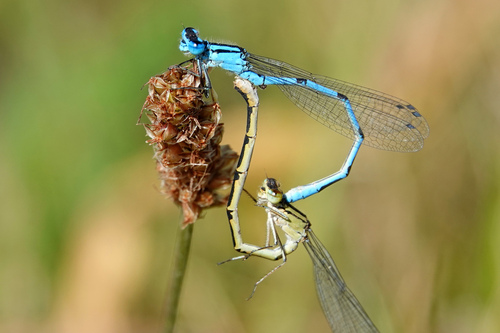 #3668 📷 8
Common Blue Damselfly
🇳🇱 Watersnuffel
Enallagma cyathigerum
LC 👀 1k in NL #3669 📷 10
Large Red Damselfly
🇳🇱 Vuurjuffer
Pyrrhosoma nymphula
LC 👀 918 in NL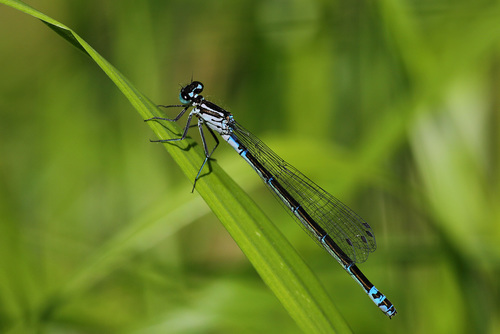 #3676 📷 10
Variable Bluet
🇳🇱 Variabele Waterjuffer
Coenagrion pulchellum
LC 👀 562 in NL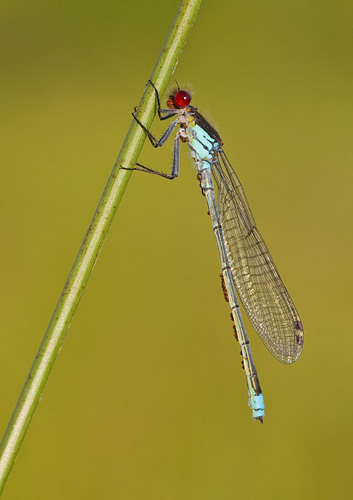 #3684 📷 8
Red-eyed Damselfly
🇳🇱 Grote roodoogjuffer
Erythromma najas
LC 👀 328 in NL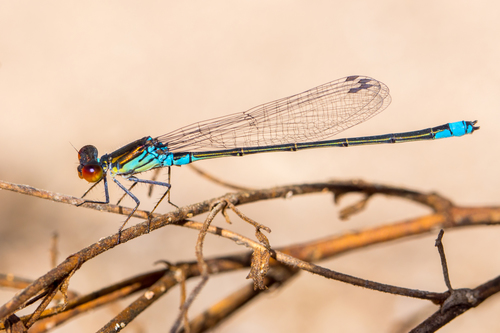 #3689 📷 10
Small Red-eyed Damselfly
🇳🇱 Kleine Roodoogjuffer
Erythromma viridulum
LC 👀 225 in NL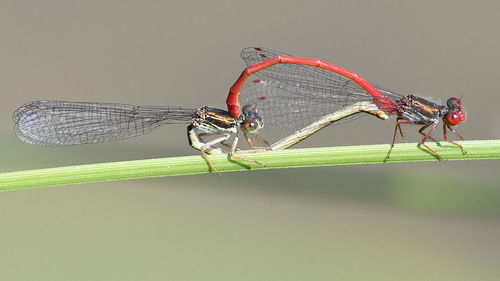 #3692 📷 10
Small Red Damselfly
🇳🇱 Koraaljuffer
Ceriagrion tenellum
LC 👀 174 in NL
Sources: iNaturalist taxon 134100, Wikidata Q1520837, GBIF 1422025, Wikipedia (EN), Wikipedia (NL). Intro text from Wikipedia (CC BY-SA 4.0).Updated 2026-10-24.