
#1223 · 🐦 birds
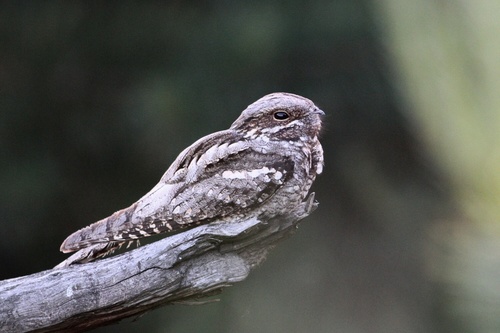
Red-necked Nightjar
🇳🇱 Moorse Nachtzwaluw ·Caprimulgus ruficollis

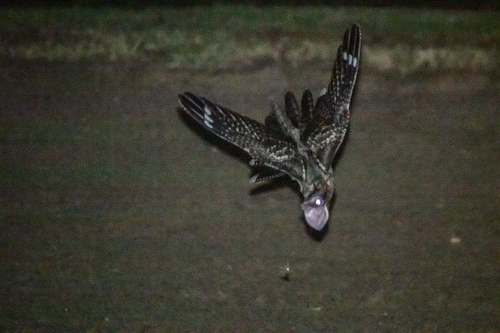
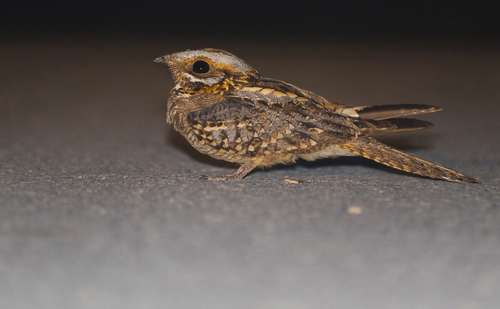

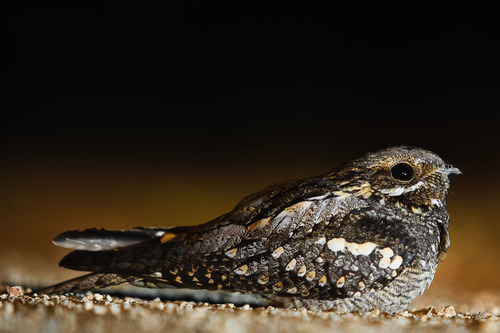
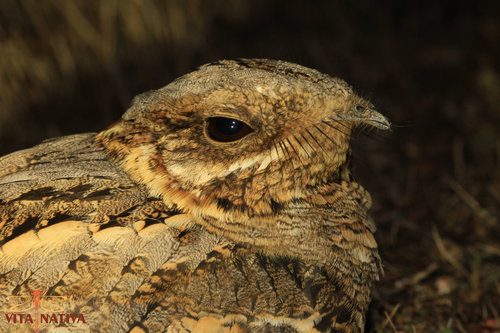
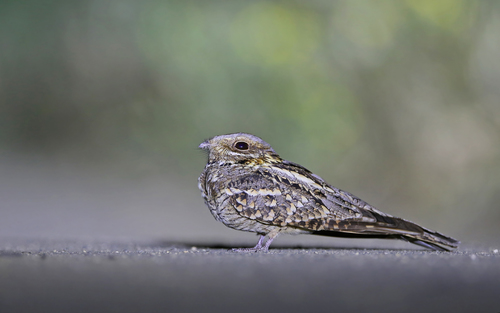
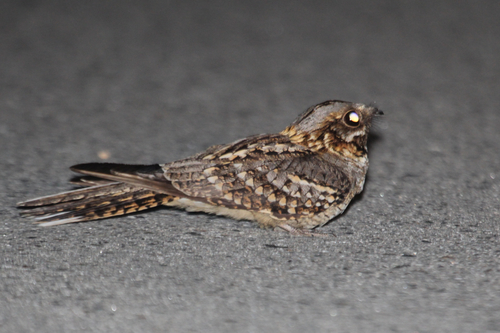
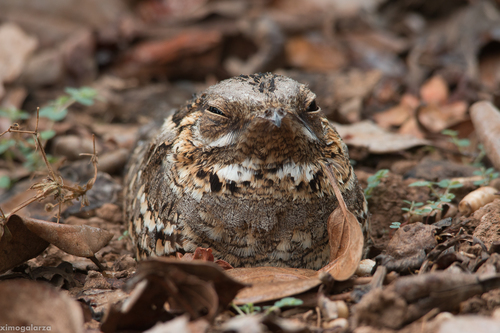
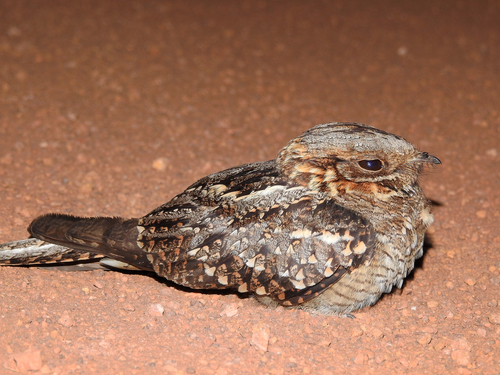
10 photos from iNaturalist (Creative Commons) · credits & licences
- 1. © naturpel · CC BY-NC 4.0
- 2. © abmatos · CC BY-NC 4.0
- 3. © jjulio2000 · CC BY-NC 4.0
- 4. © Isidro Vila Verde · CC BY-NC 4.0
- 5. © Pablo Salto-Weis Azevedo · CC BY-NC-ND 4.0
- 6. © Associação Vita Nativa · CC BY-NC 4.0
- 7. © Christoph Moning · CC BY 4.0
- 8. © naturpel · CC BY-NC 4.0
- 9. © Ximo Galarza · CC BY-NC-SA 4.0
- 10. © Daniel Raposo · CC BY-NC 4.0
what is it?
The red-necked nightjar ( Caprimulgus ruficollis ) is the largest of the nightjars occurring in Europe. It breeds in Iberia and north Africa, and winters in tropical west Africa.
base stats
Bars compare against all animals on log scales: up to 300,000 Dutch and 600,000 worldwide sightings (the most-seen species), 150 t (blue whale), 30 m and 400 years (Greenland shark).
fun facts
- No confirmed wild sightings in the Netherlands on iNaturalist: you'd have to travel for this one.
- 976 observations worldwide on iNaturalist.
- Weighs only about 84 g.
- Scientifically named by Coenraad Jacob Temminck in 1820 (206 years ago).
fact sheet
- English
- Red-necked Nightjar
- Nederlands
- Moorse Nachtzwaluw
- scientific name
- Caprimulgus ruficollis
- class
- Aves
- order
- Caprimulgiformes
- family
- Caprimulgidae
- IUCN Red List
- NT · near threatened
- sightings in NL
- 0
- sightings in Europe
- 759
- sightings worldwide
- 976
- GBIF records in NL
- 18
- weight
- 84 g
- length
- —
- lifespan
- —
- named
- 1820 by Coenraad Jacob Temminck
IUCN in Dutch: gevoelig. Blank means the sources don't say.
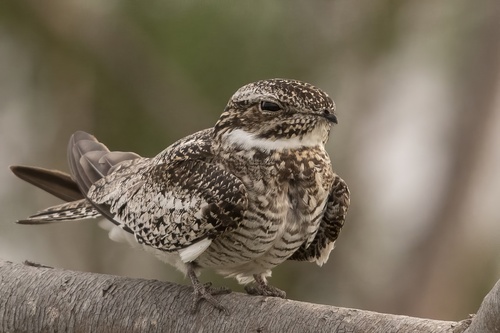
relatives· Caprimulgidae
Sources: iNaturalist taxon 19482, Wikidata Q1137192, GBIF 9411857, Wikipedia (EN), Wikipedia (NL). Intro text from Wikipedia (CC BY-SA 4.0).Updated 2026-10-24.